
Bulgarian Mekitsi recipe is one of the most beloved traditional breakfast foods in Bulgaria. Served hot with powdered sugar, jam, honey, or crumbled sirene cheese, these fluffy fried dough pastries have been bringing families together for generations. The smell alone instantly reminds many Bulgarians of weekends at grandma’s house, mountain villages, and slow family breakfasts around the kitchen table.
Traditional Bulgarian mekitsi are soft fried dough pastries made from a simple yogurt-based dough that becomes incredibly airy and fluffy after frying. They are crispy on the outside, tender inside, and slightly chewy in the best possible way. Some people compare them to donuts or fry bread, but authentic Bulgarian mekitsi have their own unique texture and flavor that stands apart from both.
In Bulgaria, mekitsi are especially popular during weekends, holidays, ski trips, and family gatherings. Many hotels and guesthouses across the country still serve homemade mekitsi for breakfast because they represent one of the most nostalgic traditional Bulgarian comfort foods.
Whether you enjoy them sweet with powdered sugar and jam or savory with Bulgarian cheese and yogurt, homemade mekitsi are one of those recipes that instantly make a kitchen feel warm and alive.
Bulgarian mekitsi are just one example of the many traditional Bulgarian breakfast recipes that continue to bring families together across generations.
Why Bulgarian Mekitsi Feel So Special
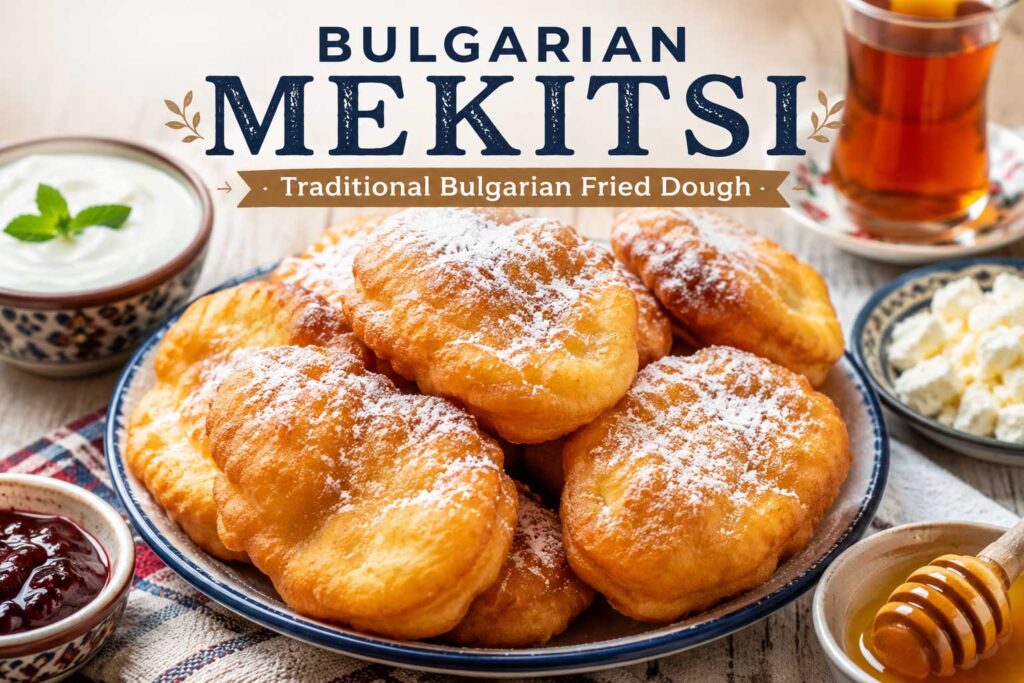
Unlike many breakfast pastries that require complicated techniques, Bulgarian mekitsi use simple ingredients most people already have at home. Yet the final result tastes incredibly rich and comforting.
The yogurt in the dough helps create the signature fluffy texture while also adding slight tanginess that balances the fried exterior perfectly. Traditional recipes often use Bulgarian yogurt because its natural acidity produces softer dough with more flavor.
Another reason mekitsi remain beloved across generations is their versatility. Every family has its own version. Some prefer thinner and crispier mekitsi while others make them thick and pillow-soft. Some recipes use yeast while others rely mostly on baking soda and yogurt for lift.
No matter the variation, the goal is always the same: golden fried dough that stays airy inside while developing lightly crisp edges outside.
The History Behind Bulgarian Mekitsi
For generations, Bulgarian mekitsi have been a staple of home kitchens throughout the country. Long before modern bakeries and convenience foods became common, families relied on simple homemade recipes made from affordable ingredients like flour, yogurt, eggs, and oil.
Mekitsi were easy to prepare, filling enough to feed large households, and perfect for bringing everyone together around the breakfast table. Even today, the aroma of freshly fried mekitsi instantly evokes memories of family gatherings, village homes, and the comforting traditions that have shaped Bulgarian cooking for centuries.
A Traditional Part of Bulgarian Home Cooking
Mekitsi have been part of Bulgarian cuisine for generations and are deeply connected to rural Balkan cooking traditions. Families traditionally prepared fried dough recipes because the ingredients were inexpensive, filling, and easy to make for larger households.
Mekitsi remain an important part of Bulgarian food traditions and culture, especially during family gatherings and holiday breakfasts.
Homemade Dough Traditions Across Bulgaria
Before modern bakeries became common, homemade breads and dough-based breakfasts played a major role in everyday Bulgarian life. Many homes prepared fresh dough recipes regularly using simple pantry ingredients like flour, yogurt, eggs, and oil.
A Comforting Breakfast During Colder Months
Mekitsi became especially popular during autumn and winter because they were warm, hearty, and satisfying. Served fresh from the frying pan with yogurt, cheese, honey, or jam, they provided comforting breakfasts during cold mornings.
A Recipe Connected to Childhood Memories
Today, Bulgarian mekitsi remain one of the country’s most nostalgic breakfast foods. Many Bulgarians living abroad still recreate them to reconnect with childhood memories, family traditions, and the feeling of slow homemade weekend breakfasts around the table.
Like many traditional Bulgarian comfort foods, mekitsi have been passed down through countless families and continue to be enjoyed across generations.
Traditional breakfasts featuring mekitsi often included dairy products connected to Bulgaria’s famous UNESCO-recognized Bulgarian yogurt tradition.
Ingredients for Authentic Bulgarian Mekitsi
One of the reasons Bulgarian mekitsi have remained popular for generations is that they require only a handful of simple ingredients that most families already have at home. Traditional recipes rely on flour, yogurt, eggs, and a few pantry staples to create the soft, fluffy dough that makes mekitsi so irresistible.
While every family has its own preferred recipe, the combination of yogurt and baking soda is what gives many homemade mekitsi their signature airy texture and slightly tangy flavor. Using fresh ingredients and avoiding too much flour helps ensure the dough stays light, tender, and easy to work with.
Why Yogurt Makes Bulgarian Mekitsi So Fluffy

The Role of Yogurt in Traditional Mekitsi Dough
One of the biggest secrets behind authentic Bulgarian mekitsi is yogurt. Traditional Bulgarian yogurt helps create softer dough because its natural acidity reacts beautifully with baking soda during mixing.
How the Yogurt and Baking Soda Reaction Works
This reaction creates tiny air pockets throughout the dough, which helps mekitsi puff beautifully during frying. The result is the signature fluffy texture that makes homemade mekitsi feel light and airy instead of dense or heavy.
Why Full-Fat Yogurt Creates Better Texture
Full-fat yogurt also contributes richer flavor and softer interior consistency. The extra fat helps keep the dough tender while adding a subtle creamy tanginess that pairs perfectly with both sweet and savory toppings.
The Secret to Soft Pillowy Mekitsi
Many Bulgarian grandmothers insist the dough should remain soft and slightly sticky rather than overly firm. Adding too much flour is one of the fastest ways to ruin the texture because dense dough produces heavy mekitsi instead of the light pillowy version most people love.
The yogurt used in mekitsi not only improves texture but also contributes some of the characteristics often associated with the benefits of fermented dairy products.
Affiliate Disclosure: This article may contain affiliate links. If you purchase through these links, I may earn a small commission at no additional cost to you.
Essential Tools for Perfect Homemade Mekitsi
Making fluffy Bulgarian mekitsi is much easier when you have the right kitchen tools. These affordable essentials can help you mix softer dough, fry more evenly, and achieve the golden texture traditional mekitsi are known for.
| Product | Why It Helps | Check Price on Amazon |
|---|---|---|
| Large Mixing Bowl | Makes kneading and mixing easier | Check Price on Amazon |
| Silicone Dough Scraper | Helps handle sticky mekitsi dough | Check Price on Amazon |
| Deep Frying Pan | Creates even frying conditions | Check Price on Amazon |
| Spider Strainer | Safely removes mekitsi from hot oil | Check Price on Amazon |
| Cooling Rack | Helps maintain crisp texture after frying | Check Price on Amazon |
How To Make Bulgarian Mekitsi

This Bulgarian Mekitsi recipe is surprisingly easy to make at home and requires only a handful of everyday ingredients. The key is to create a soft, yogurt-based dough, let it rest properly, and fry it at the right temperature. Follow the steps below to achieve the fluffy interior and golden exterior that make traditional Bulgarian mekitsi such a beloved breakfast favorite.
Bulgarian Mekitsi Recipe (Traditional Bulgarian Fried Dough)

Soft, fluffy, and golden fried dough pastries traditionally served for Bulgarian breakfast with powdered sugar, honey, jam, yogurt, or sirene cheese.
For the Dough
- 3 cups all-purpose flour
- 1 cup Bulgarian yogurt or plain full-fat yogurt
- 1 large egg
- 1 tsp baking soda
- 1 tsp sugar
- 1 teaspoon salt
- 1 tbsp oil
- Vegetable or sunflower oil for frying
Optional Toppings
- Powdered sugar
- Honey
- Strawberry jam
- Rose petal jam
- Nutella or chocolate spread
- Cinnamon sugar
- Bulgarian sirene cheese
Step 1: Prepare the Dough
- In a large mixing bowl, combine the yogurt and baking soda. Let the mixture sit for about 1 minute until slightly bubbly.
- Add the egg, sugar, salt, and oil. Mix well until combined.
- Gradually add the flour and mix until a soft dough forms.
Step 2: Knead the Dough
- Transfer the dough to a lightly floured surface and knead gently for several minutes.
- The dough should remain soft and slightly sticky. Avoid adding too much extra flour.
Step 3: Let the Dough Rest
- Place the dough in a lightly oiled bowl and cover with a clean kitchen towel.
- Allow it to rest for 30–45 minutes.
Step 4: Heat the Oil
- Pour enough oil into a deep frying pan or heavy pot for shallow frying.
- Heat over medium heat until hot but not smoking.
Step 5: Shape the Mekitsi
- Pull off small portions of dough and gently stretch them into rustic oval or round shapes using your hands.
- Do not roll the dough too thin.
Step 6: Fry Until Golden
- Carefully place the dough into the hot oil.
- Fry for 1–2 minutes per side until puffed and golden brown.
- Transfer to a paper towel-lined plate or cooling rack.
Step 7: Serve Warm
- Serve immediately while warm with your favorite sweet or savory toppings.
- Do not add too much flour or the mekitsi may become dense.
- Slightly sticky dough creates fluffier results.
- Maintain medium oil temperature for even frying.
- Mekitsi taste best fresh shortly after cooking.
The Secret To Restaurant-Style Bulgarian Mekitsi
Softer Dough Creates Fluffier Mekitsi
One of the biggest differences between average and truly incredible mekitsi comes down to dough hydration. Traditional Bulgarian cooks usually keep the dough much softer than beginners expect because softer dough creates lighter and airier fried dough after cooking.
Why Sticky Dough Works Better
Many first-time cooks try to add extra flour to make the dough easier to handle, but that often creates dense heavy mekitsi. Slightly sticky dough may feel harder to work with at first, yet it produces the soft pillowy texture authentic mekitsi are known for.
Oil Temperature Makes a Huge Difference
Oil temperature also plays a major role in the final result. If the oil is too cool, the dough absorbs excess oil and becomes greasy. If the oil is too hot, the exterior browns too quickly while the inside stays undercooked.
Finding the Perfect Frying Balance
Medium consistent heat creates the ideal balance between fluffy interior and lightly crisp golden exterior. Properly fried mekitsi should feel airy inside while still having delicate crisp edges fresh out of the pan.
Sweet Ways To Serve Bulgarian Mekitsi

Powdered Sugar and Classic Sweet Toppings
Sweet mekitsi are especially popular for breakfast and brunch across Bulgaria. One of the simplest and most traditional ways to serve them is with a generous dusting of powdered sugar while the dough is still warm.
Homemade Jams and Fruit Preserves
Many families serve mekitsi with strawberry jam, homemade berry preserves, or even traditional rose petal jam. The fruity sweetness pairs beautifully with the soft fluffy dough and creates a nostalgic homemade breakfast feel.
Honey Drizzled Over Warm Mekitsi
Warm mekitsi drizzled with honey create one of the most comforting traditional combinations. The honey melts slightly into the fried dough and adds natural sweetness without overpowering the flavor.
Chocolate Spread and Nutella Variations
Children especially love warm mekitsi served with chocolate spread or Nutella. The warm dough combined with creamy chocolate filling makes this version feel almost like a dessert.
Cinnamon Sugar Versions
Some people also enjoy coating freshly fried mekitsi with cinnamon sugar for extra warmth and sweetness. This variation feels especially cozy during colder months and holiday breakfasts.
Mekitsi pair wonderfully with jam, honey, and homemade rose petal preserves and traditional sweets often found throughout the Balkans.
Savory Bulgarian Mekitsi Variations

Mekitsi with Bulgarian Sirene Cheese
Many Bulgarians love serving warm mekitsi with crumbled Bulgarian sirene cheese. The salty creamy cheese contrasts beautifully with the soft fluffy fried dough and remains one of the most traditional savory combinations.
They are often served alongside traditional Bulgarian white cheese dishes that balance the richness of the fried dough.
Yogurt Served on the Side
Plain yogurt is another classic pairing that balances the richness of fried dough. Many families enjoy dipping pieces of mekitsi directly into cold yogurt during breakfast.
Kashkaval Cheese Variations
Some people prefer serving mekitsi with sliced or melted kashkaval cheese for a richer and slightly milder savory flavor. Warm cheese paired with fresh mekitsi feels especially comforting during colder months.
Mekitsi with Ajvar Spread
Ajvar adds smoky pepper flavor that pairs surprisingly well with fluffy fried dough. This Balkan-style combination creates a more savory brunch-style version of mekitsi.
Many families also enjoy mekitsi with smoky Balkan pepper spreads like ajvar for a more savory breakfast.
Whipped Feta and Savory Dips
Modern variations sometimes include whipped feta dip or creamy savory spreads served alongside warm mekitsi. These combinations feel slightly more contemporary while still keeping strong Balkan flavor influences.
Why Savory Mekitsi Are So Popular
The salty cheese and creamy dairy flavors paired with warm fried dough create an incredible balance of richness, softness, and comfort that many Bulgarians actually prefer over sweeter versions.
Common Mekitsi Mistakes That Affect Texture

Using Too Much Flour
This is one of the most common mistakes when making homemade Bulgarian mekitsi. Adding too much flour creates dense heavy dough instead of the soft fluffy texture mekitsi are known for. The dough should remain soft and slightly sticky for the best results.
Frying at the Wrong Temperature
Oil temperature plays a major role in the final texture. If the oil is too cool, the dough absorbs excess oil and becomes greasy. If the oil is too hot, the outside browns too quickly while the inside stays undercooked.
Skipping the Dough Rest Time
Allowing the dough to rest helps relax the gluten and improves the overall texture dramatically. Proper resting time creates softer, lighter, and airier mekitsi after frying.
Stretching the Dough Too Thin
Very thin dough loses the signature fluffy interior Bulgarians love. Slightly thicker pieces puff better during frying and create the soft chewy center that makes traditional mekitsi so comforting.
Pro Tips For Better Homemade Mekitsi

Use Full-Fat Yogurt
Full-fat yogurt creates richer flavor and softer dough. Traditional Bulgarian yogurt works especially well because its natural acidity helps create fluffy airy mekitsi with tender texture.
Keep the Dough Soft
One of the biggest secrets to fluffy mekitsi is maintaining a soft slightly sticky dough. Adding too much flour often creates dense heavy fried dough instead of light pillowy results.
Fry the Dough Immediately After Shaping
Freshly stretched dough puffs beautifully once it hits the hot oil. Letting shaped mekitsi sit too long before frying can affect their texture and rise.
Serve Mekitsi While Warm
Bulgarian mekitsi taste best fresh shortly after frying while the exterior is still lightly crisp and the inside remains soft and fluffy. Warm mekitsi paired with honey, jam, or sirene cheese create the most authentic experience.
Different Mekitsi Variations Across Bulgaria

Yeast-Based Mekitsi
Some Bulgarian families prefer yeast-based mekitsi because they create extra airy dough with deeper bread-like flavor. These versions often require longer rising time but produce especially fluffy results.
Thin and Crispy Mekitsi
Certain regions make mekitsi thinner and crispier with lightly crunchy edges. These versions are often stretched wider before frying and develop a more delicate texture.
Thick and Fluffy Mekitsi
Many traditional homemade mekitsi are thicker and pillow-soft inside. These are especially popular for family breakfasts because they feel hearty, warm, and filling.
Filled Mekitsi Variations
Some cooks prepare filled mekitsi using ingredients like Bulgarian sirene cheese, jam, chocolate spread, or sweet cream fillings. These versions feel more indulgent and are often made for special occasions.
Sweetened Dough Recipes
Certain recipes include extra sugar or vanilla directly in the dough itself, creating sweeter mekitsi that pair perfectly with powdered sugar, honey, or fruit preserves.
A Comfort Food Loved Across Bulgaria
Despite the many regional and family variations, mekitsi always keep the same comforting homemade feeling that makes them one of Bulgaria’s most nostalgic breakfast foods.
As with many traditional Bulgarian dishes, every family has its own preferred way of preparing mekitsi, which is part of what keeps this breakfast favorite so special.
What To Serve With Bulgarian Mekitsi

Traditional Bulgarian Yogurt Drinks
One of the most traditional ways to serve Bulgarian mekitsi is alongside a cold yogurt drink. Many Bulgarians enjoy them with ayran, a refreshing combination of yogurt, water, and a pinch of salt that perfectly balances the richness of the fried dough. The creamy tanginess of yogurt complements the soft fluffy texture of mekitsi, creating a breakfast pairing that has been enjoyed across Bulgaria for generations.
On warm summer mornings, this simple combination remains a favorite in many households and guesthouses throughout the country.
For a truly authentic experience, pair mekitsi with cold yogurt-based Bulgarian drinks during breakfast.
Sweet Toppings and Fruit Preserves
For a sweeter breakfast, mekitsi are often served with honey, powdered sugar, fruit preserves, or fresh seasonal fruit. Strawberry jam, rose petal jam, and homemade berry preserves are all classic choices in many Bulgarian homes.
You can even build a complete Bulgarian-style breakfast spread around fresh mekitsi, yogurt, fruit, and cheese.
Savory Cheese Pairings
Savory mekitsi are commonly enjoyed with crumbled Bulgarian sirene cheese. The salty cheese creates a delicious contrast against the soft fluffy dough and remains one of the most traditional ways to serve them.
Coffee and Tea Pairings
A cup of strong Turkish coffee or warm herbal tea pairs wonderfully with homemade mekitsi. These warm drinks help turn a simple breakfast into a slow comforting family meal.
Perfect for Cozy Family Mornings
Mekitsi feel especially comforting during cold mornings, snowy weekends, or rainy days when everyone gathers around the table while the dough is still warm from the frying pan.
Many of the ingredients traditionally served with mekitsi also appear in broader Mediterranean-style breakfast traditions throughout Southern Europe.
Traditional Toppings and Breakfast Pairings
One of the best things about Bulgarian mekitsi is how many delicious ways they can be served. These traditional breakfast favorites pair beautifully with warm homemade mekitsi and help create an authentic Bulgarian breakfast experience.
| Product | Why It Pairs Well With Mekitsi | Check Price on Amazon |
|---|---|---|
| Raw Honey | Traditional sweet topping | Check Price on Amazon |
| Fruit Preserves Gift Set | Perfect for sweet breakfasts | Check Price on Amazon |
| Bulgarian Yogurt Starter Culture | Helps make authentic yogurt at home | Check Price on Amazon |
| Herbal Tea Sampler | Traditional breakfast beverage | Check Price on Amazon |
| Turkish Coffee Pot | Popular Balkan breakfast pairing | Check Price on Amazon |
How To Store Leftover Bulgarian Mekitsi
Bulgarian mekitsi always taste best fresh and warm shortly after frying, but leftovers can still be very enjoyable the next day if stored properly.
Allow the mekitsi to cool completely before placing them in an airtight container or sealed bag. They can usually be stored at room temperature for about 1 day or refrigerated for up to 2 days.
For the best texture when reheating, warm them in the oven for several minutes or briefly air fry them to bring back some of the crisp exterior. Try not to microwave them for too long because the dough can become chewy and slightly rubbery instead of soft and fluffy.
When storing leftovers, always follow general USDA food storage recommendations for maximum freshness and food safety.
Can You Freeze Bulgarian Mekitsi?
Yes, Bulgarian mekitsi freeze surprisingly well if stored properly. Allow the mekitsi to cool completely first so condensation does not create excess moisture inside the container.
Place them in airtight freezer bags or containers with parchment paper between the layers to prevent sticking. Properly stored mekitsi can usually be frozen for up to 2 months while still maintaining good texture.
When ready to serve, reheat them directly in the oven or air fryer until warmed through and lightly crisp again. Many people find the air fryer especially helpful for bringing back some of the original golden exterior.
Air Fryer vs Traditional Bulgarian Mekitsi

Many people wonder whether Bulgarian mekitsi can be made in an air fryer. While air fryer versions can work surprisingly well, traditional fried mekitsi still deliver the texture most Bulgarians know and love.
| Feature | Air Fryer Mekitsi | Traditional Mekitsi |
|---|---|---|
| Texture | Soft and lighter | Fluffy with crispy edges |
| Oil Usage | Very little | Traditional frying required |
| Flavor | Mild | Richer and more authentic |
| Crispiness | Moderate | Excellent |
| Authenticity | Modern adaptation | Traditional Bulgarian method |
| Best For | Health-conscious cooks | Classic homemade experience |
Traditional mekitsi develop their signature golden exterior and airy interior because the dough quickly puffs when it hits hot oil. This creates the fluffy texture that generations of Bulgarians grew up enjoying.
Air fryer mekitsi can still be a good option if you want to reduce oil, but the final result will be slightly less crisp and a bit more bread-like than the traditional version.
Which Version Is Better?
If your goal is authentic Bulgarian flavor and texture, traditional fried mekitsi remain the clear winner. However, air fryer mekitsi offer a lighter alternative that many modern home cooks enjoy for everyday breakfasts.
Mekitsi remain one of the most cherished traditional Balkan comfort foods enjoyed throughout the region.
Are Bulgarian Mekitsi Similar To Donuts?
Although some people compare Bulgarian mekitsi to donuts, the texture and flavor are actually quite different. Traditional mekitsi are usually less sweet, softer, slightly chewy, and much more bread-like than classic donuts.
Another major difference is that mekitsi are often served both sweet and savory. In Bulgaria, many people enjoy them with powdered sugar, honey, or jam, while others prefer them with salty sirene cheese, yogurt, or ajvar.
The yogurt-based dough also gives mekitsi their signature flavor and fluffy texture that feels distinct from standard donut dough. Instead of tasting like dessert pastries, mekitsi feel more like traditional Balkan comfort food that can work as breakfast, brunch, or even a simple family snack.
Frequently Asked Questions About Bulgarian Mekitsi
What does mekitsi mean?
Mekitsi are traditional Bulgarian fried dough pastries commonly served for breakfast. They are known for their fluffy interior, golden crispy exterior, and comforting homemade flavor.
Can I make mekitsi without yeast?
Yes. Many authentic Bulgarian mekitsi recipes rely on yogurt and baking soda instead of yeast. This method creates soft, airy dough while keeping the preparation simpler and faster.
Why are my mekitsi dense instead of fluffy?
Dense mekitsi are usually caused by adding too much flour or not allowing the dough to rest long enough. Keeping the dough softer and slightly sticky helps create lighter, fluffier results.
Can mekitsi be served sweet?
Absolutely. Sweet mekitsi are extremely popular in Bulgaria and are often topped with powdered sugar, honey, jam, chocolate spread, or cinnamon sugar.
What oil works best for frying mekitsi?
Neutral oils with high smoke points work best. Sunflower oil is traditional in Bulgaria, but vegetable or canola oil also work well.
Can I make mekitsi in the air fryer?
Traditional Bulgarian mekitsi are deep fried because that method creates the classic fluffy texture and golden exterior. Some people experiment with air fryer versions, though the texture will be slightly different.
Why Bulgarian Mekitsi Continue To Bring Families Together
This Bulgarian Mekitsi recipe is one of those timeless comfort foods that instantly create warmth around the table. Crispy on the outside, fluffy on the inside, and endlessly customizable, they remain a beloved part of Bulgarian breakfast culture for good reason.
If you enjoyed this recipe, explore more classic Bulgarian family recipes inspired by generations of home cooking traditions.
Whether served with powdered sugar and jam or paired with salty sirene cheese and yogurt, homemade mekitsi bring together simplicity, tradition, and pure comfort in every bite.
Be sure to explore more traditional Balkan and Mediterranean recipes here on TastyBG for additional breakfast, lunch, dinner, and dessert inspiration.
Did You Make This Bulgarian Mekitsi Recipe?
If you enjoyed this Bulgarian Mekitsi recipe, be sure to explore more traditional Balkan and Mediterranean recipes here on TastyBG. From refreshing salads and comforting soups to classic Bulgarian breakfasts and hearty family favorites, you’ll find plenty of authentic dishes made with simple ingredients and generations of culinary tradition.
For a complete Bulgarian-inspired breakfast, try serving your homemade mekitsi alongside a fresh Shopska Salad, creamy Snezhanka Salad, a glass of traditional ayran, or other authentic Balkan dishes featured throughout the site.
If you love discovering traditional comfort foods, be sure to explore more Bulgarian and Balkan recipes from across Southeastern Europe for even more authentic regional flavors and family favorites.
If you make this recipe, tag @tastybg_ on Instagram and use #tastybg to share your homemade Bulgarian Mekitsi with us. We’d love to see your version of this fluffy and comforting Bulgarian breakfast classic!