
There is something truly special about food made by a Balkan grandmother. The aroma of roasted peppers filling the kitchen, homemade bread cooling on the counter, soups simmering gently for hours, and fresh herbs picked straight from the garden create flavors that are difficult to recreate with modern shortcuts. These Balkan grandma cooking secrets have been passed down for generations because they consistently produce richer, more flavorful meals.
Across Bulgaria, Serbia, Greece, Romania, Croatia, Bosnia and Herzegovina, North Macedonia, and Albania, generations of grandmothers developed cooking methods built on patience, seasonal ingredients, and simple techniques that bring out the best in every dish. Their recipes were rarely complicated, yet the results were always rich in flavor and deeply comforting.
Many of these traditional Balkan cooking secrets are surprisingly easy to apply at home. Small details such as salting vegetables ahead of time, slowly caramelizing onions, using full-fat homemade yogurt, roasting peppers over an open flame, or allowing soups and stews to rest before serving can make a remarkable difference in the final dish.
This guide explores the most famous Balkan grandma cooking secrets, traditional techniques, and family traditions that continue to make Balkan food some of the most comforting and flavorful cuisine in the world.
Why Slow Cooking Is One of the Most Important Balkan Grandma Cooking Secrets
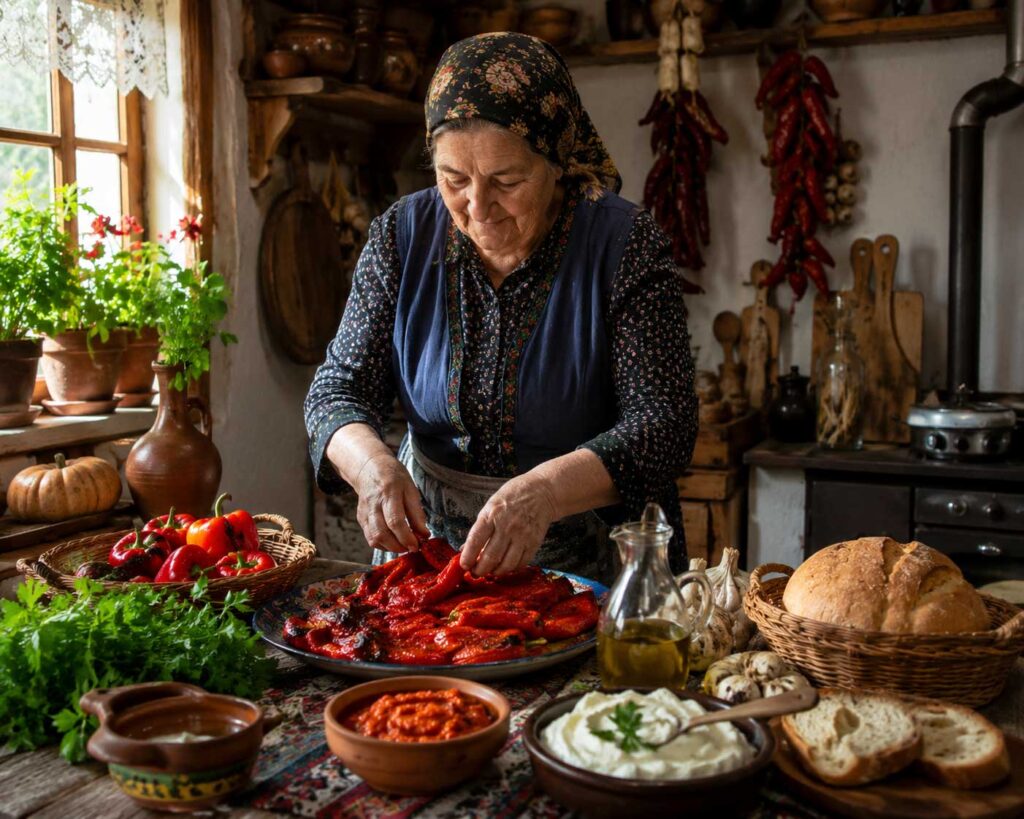
One of the biggest secrets behind traditional Balkan food is time. Long before pressure cookers, meal-prep shortcuts, and convenience foods became common, Balkan grandmothers relied on patience to develop flavor naturally.
Meals were rarely rushed. Soups simmered gently on the stove for hours, dishes like Traditional Bean Soup cooked slowly until perfectly tender, and hearty meals such as Bulgarian Kavarma were allowed to develop rich layers of flavor over time. Even vegetables received special attention. Peppers were often roasted over an open flame rather than quickly baked, giving them a distinctive smoky sweetness that became the foundation of many traditional dishes.
Slow cooking helped create:
- Deeper, more complex flavors
- Better texture in vegetables and legumes
- Tender, juicy meat
- Richer broths and sauces
- Better blending of herbs, spices, and aromatics
This patient approach is one reason traditional Balkan food feels so comforting and satisfying. The ingredients have time to fully release their flavors and blend together naturally.
In many Balkan households, dishes such as Traditional Bean Soup, Bulgarian Kavarma, stuffed peppers, and even comforting recipes like Greek Lemon Chicken Soup often taste even better the next day. After resting overnight, the flavors continue to meld, creating an even richer and more balanced meal.
This slow and thoughtful approach to cooking remains one of the defining characteristics of many Balkan Comfort Foods that families continue to enjoy today.
Affiliate Disclosure: This article may contain affiliate links. If you purchase through these links, I may earn a small commission at no additional cost to you.
Best Tools for Authentic Balkan Cooking
Many traditional Balkan recipes rely on simple kitchen tools rather than complicated equipment. A few well-chosen essentials can make it easier to roast vegetables, simmer soups, bake bread, and prepare authentic family meals inspired by generations of Balkan home cooks.
| Product | Why It’s Helpful | Check Price |
|---|---|---|
| Cast Iron Skillet | Excellent heat retention for traditional Balkan dishes | Check Price on Amazon |
| Grill Pan | Great for roasting peppers and grilling vegetables indoors | Check Price on Amazon |
| Wooden Cutting Board | Durable surface for daily meal preparation | Check Price on Amazon |
| Ceramic Baking Dish | Ideal for casseroles, moussaka, and baked recipes | Check Price on Amazon |
| Dutch Oven | Perfect for soups, stews, and slow-cooked meals | Check Price on Amazon |
| Mandoline Slicer | Makes slicing vegetables faster and more consistent | Check Price on Amazon |
Homemade Yogurt: One of the Classic Balkan Grandma Cooking Secrets
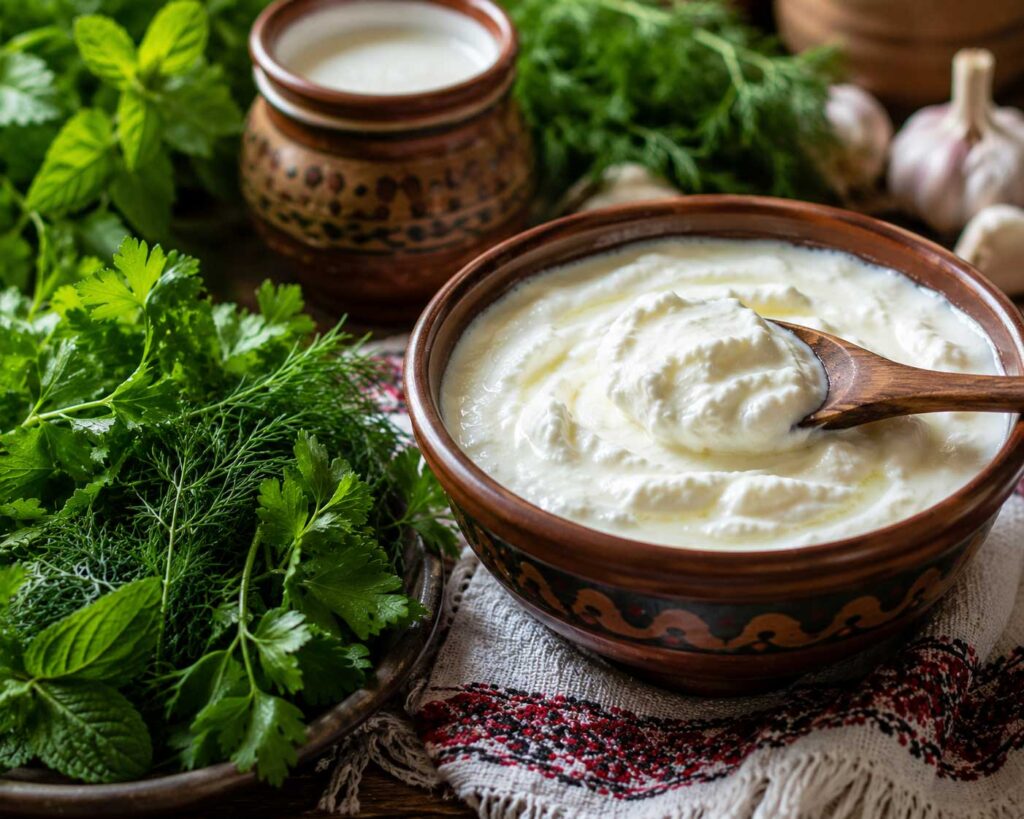
In many Balkan homes, yogurt is far more than a simple side ingredient. For generations, it has been a staple of everyday cooking and an essential part of countless traditional recipes.
Traditional Balkan yogurt is typically thicker, tangier, and more flavorful than many commercial versions. Grandmothers used it in soups, marinades, sauces, pastries, dips, and even desserts, making it one of the most versatile ingredients found in Balkan kitchens. It also serves as the foundation for many beloved Balkan Yogurt Recipes that continue to be enjoyed today.
Homemade yogurt was often:
- Fermented longer
- Made with whole milk
- Rich in probiotics
- Used fresh daily
The growing interest in fermented foods is one reason traditional Balkan yogurt continues to attract attention today. See this Health benefits of fermented foods resource for more information.
Because it was made at home, every family had its own slightly different flavor and texture. Some yogurts were thicker and creamier, while others had a sharper tang that added character to traditional dishes.
This is one reason authentic dishes such as Authentic Tarator Recipe, Bulgarian Banitsa, Albanian Tavë Kosi, and traditional yogurt-based sauces taste dramatically different from restaurant shortcuts. The rich flavor, natural acidity, and creamy texture of homemade yogurt bring depth to recipes in a way that many store-bought alternatives simply cannot match.
Even today, many Balkan cooks consider high-quality yogurt one of the most important ingredients for achieving authentic flavor at home.
Roasting Peppers: One of the Best Balkan Grandma Cooking Secrets
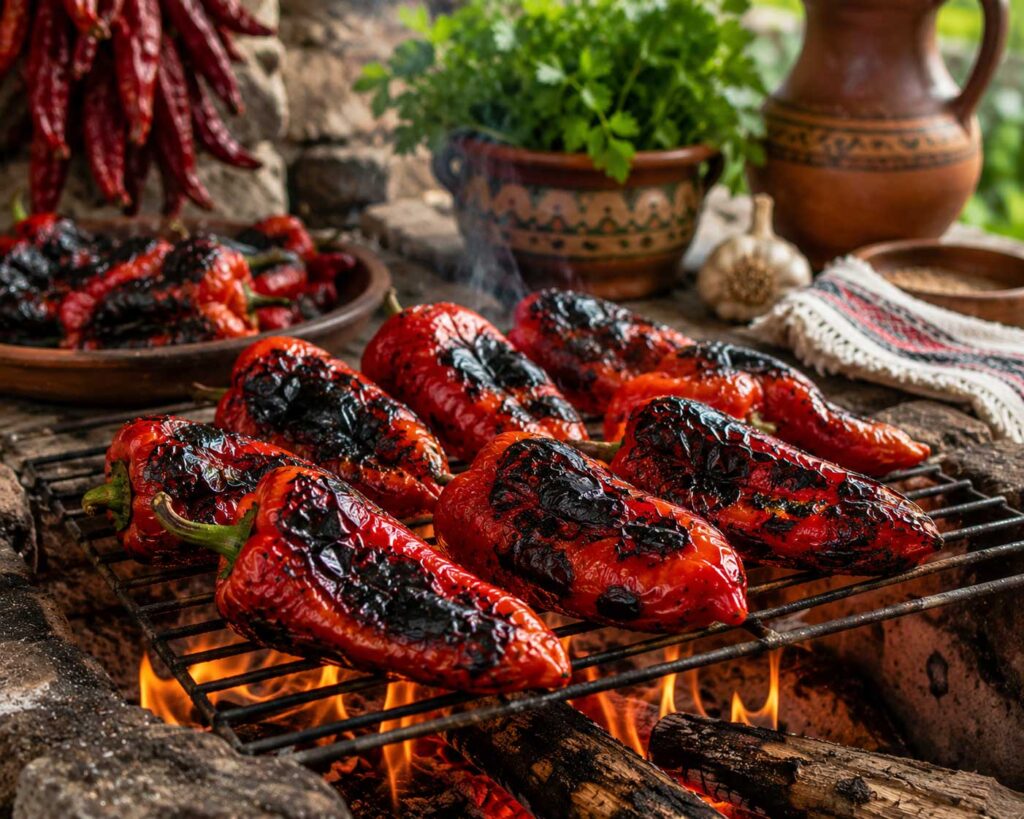
Roasted peppers are one of the foundations of Balkan cuisine and play a central role in many of the region’s most beloved recipes. During late summer and early autumn, it was common to see families roasting large batches of peppers outdoors to preserve their flavor for the months ahead.
Instead of using raw peppers in spreads and salads, Balkan grandmothers traditionally roasted them directly over an open flame until the skins were completely blackened and blistered. The peppers were then covered, peeled, and prepared for a variety of dishes.
This technique creates:
- A rich smoky flavor
- A naturally sweeter taste
- A softer, silkier texture
- More concentrated natural sugars
The roasting process transforms ordinary peppers into a deeply flavorful ingredient that becomes the foundation of many traditional recipes. It is an essential step in dishes such as Serbian Ajvar Recipe, Bulgarian Lutenitsa, roasted pepper salads, pindjur, and stuffed peppers.
If you’re unfamiliar with this iconic Balkan spread, learning What Is Ajvar is a great introduction to the importance of roasted peppers in regional cooking. The same fire-roasted flavor also makes homemade peppers perfect for appetizers such as a Roasted Red Pepper Dip.
Many Balkan cooks still believe that roasting peppers over an open flame produces a flavor that simply cannot be fully replicated indoors. While ovens and grills can deliver excellent results, the traditional method remains one of the most cherished Balkan grandma cooking secrets for creating authentic flavor.
The Onion Trick That Builds Deep Balkan Flavor
One of the most overlooked Balkan cooking secrets is how onions are cooked. While many modern recipes call for quickly sautéing onions for just a few minutes, Balkan grandmothers understood that patience was the key to building flavor.
In traditional Balkan kitchens, onions were often cooked slowly over moderate heat until they became soft, golden, and naturally sweet before any other major ingredients were added. This simple step created a rich flavor base for soups, stews, casseroles, sauces, and countless family recipes.
Slowly cooked onions provide:
- Natural sweetness
- Richer soups
- More flavorful stews
- Better-balanced tomato sauces
- Deeper savory flavor
As the onions soften and caramelize, they release their natural sugars and develop a complexity that cannot be achieved when they are rushed. This technique helps create the comforting depth of flavor found in many traditional Balkan dishes, from hearty bean soups to slow-cooked meat stews and vegetable-based meals.
Many experienced Balkan cooks believe that the foundation of a great meal starts with properly cooked onions. In fact, rushing this step is one of the fastest ways to lose the authentic flavor that makes traditional Balkan food so memorable. Often, the simplest ingredients and techniques are what make traditional Balkan food so memorable.
Why Paprika Is Added Carefully in Balkan Cooking
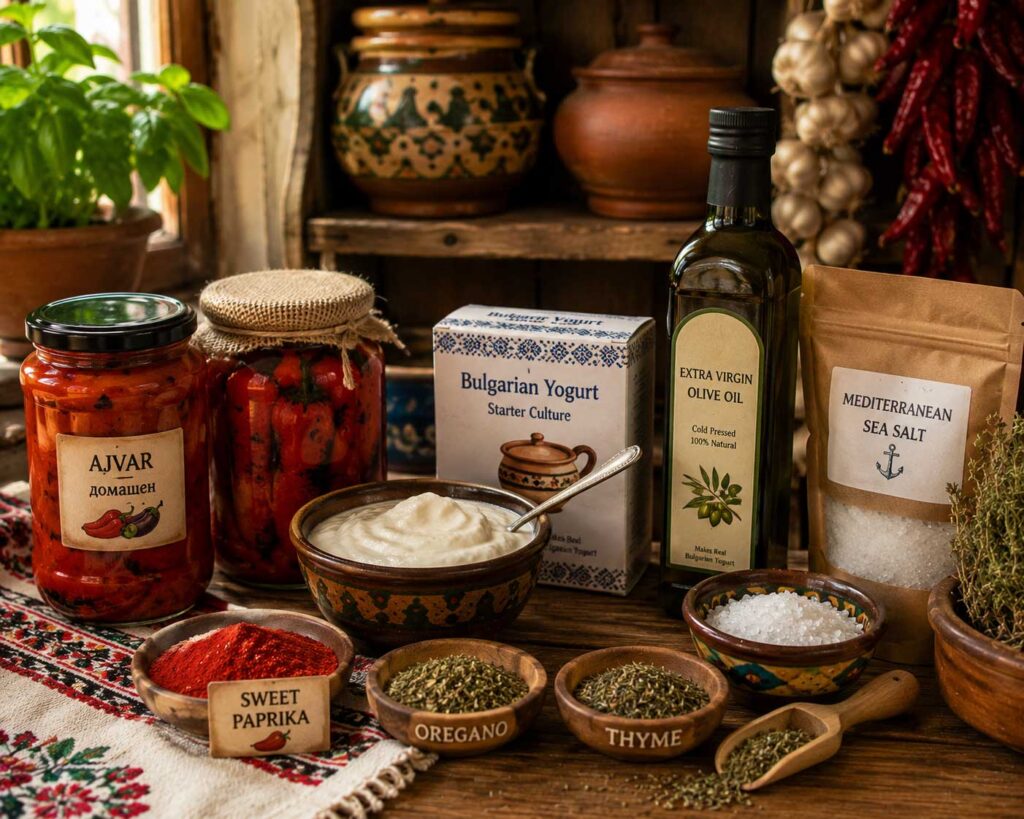
Paprika is one of the most important spices used throughout the Balkans, particularly in Bulgaria, Serbia, Croatia, North Macedonia, and neighboring regions. It adds warmth, color, and depth to countless traditional dishes, from hearty stews to rich meat sauces.
However, Balkan grandmothers understood an important detail that many home cooks still overlook today: paprika burns very quickly.
Unlike some spices that can tolerate high heat, paprika can become bitter if added directly to a very hot pan for too long. To avoid this, traditional cooks often reduced the heat or briefly removed the pan from the stove before stirring paprika into oil, onions, or other ingredients. This simple technique helped preserve the spice’s sweet, earthy, and slightly smoky flavor while preventing unwanted bitterness.
Using paprika correctly can make a significant difference in dishes such as:
- Bean stews
- Goulash
- Rice dishes
- Kavarma
- Meat sauces
Many traditional Balkan recipes rely on paprika as a key flavor component, so treating it carefully is essential for achieving authentic results. It may seem like a small step, but it is one of those classic Balkan grandma cooking secrets that can dramatically improve the flavor of a finished dish.
When used properly, paprika contributes a beautiful color and rich depth that help define the comforting character of traditional Balkan cuisine.
Fresh Herbs and Other Traditional Balkan Cooking Tips
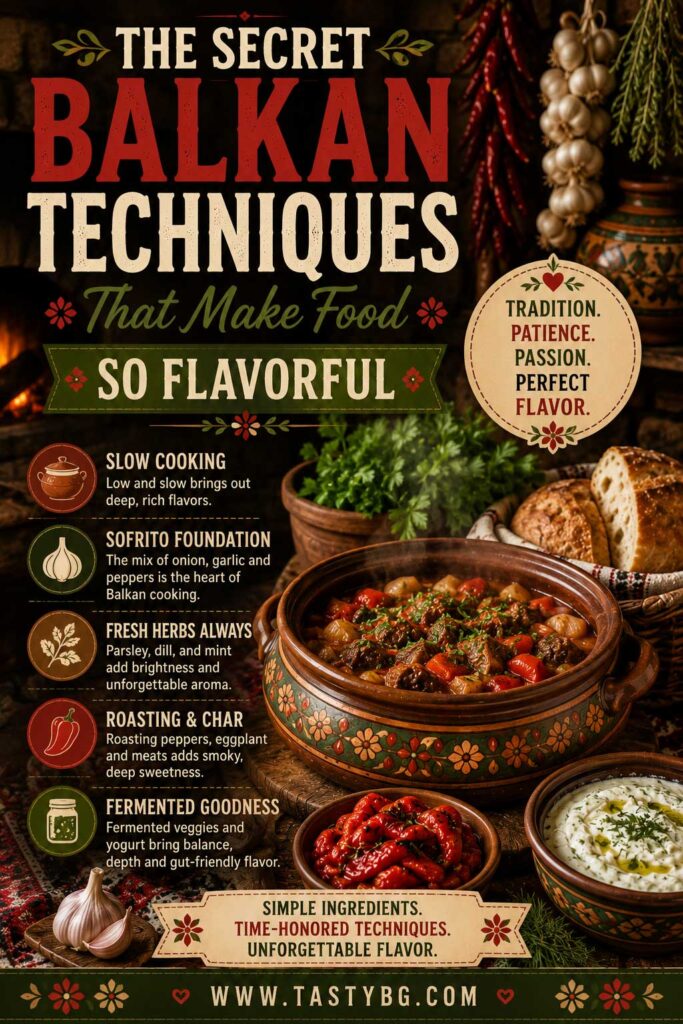
Another common Balkan grandma cooking secret involves the timing of fresh herbs. While dried herbs are often added early in the cooking process, many Balkan grandmothers saved fresh herbs for the final minutes of cooking or sprinkled them over dishes just before serving.
Fresh parsley, dill, mint, celery leaves, oregano, and lovage were commonly added near the end to preserve their delicate flavor and aroma. This simple technique helps ingredients taste fresher and more vibrant while allowing the natural character of the herbs to shine through.
Adding fresh herbs at the end helps maintain:
- Brighter flavor
- Fresher aroma
- Better color
- More natural taste
Many traditional Balkan soups, salads, and vegetable dishes rely heavily on fresh herbs for their final flavor profile. A handful of chopped parsley or dill added just before serving can completely transform a dish.
This technique is especially noticeable in recipes such as Shakshuka, where fresh herbs add brightness to the rich tomato sauce, and in fresh dishes like Greek Salad Recipe and Tabbouleh Salad Recipe, where herbs are one of the main ingredients rather than a simple garnish.
The same principle appears throughout many Mediterranean Summer Salads, where fresh herbs provide color, freshness, and layers of flavor without overwhelming the other ingredients.
For Balkan grandmothers, herbs were never an afterthought. They were often the final touch that brought an entire meal together and gave traditional recipes their distinctive homemade taste.
Why Balkan Grandmothers Salted Vegetables Early
Salting vegetables before cooking or serving is a traditional Balkan technique that has been passed down through generations. While it may seem like a small step, it plays an important role in improving both flavor and texture.
Traditional home cooks often salted vegetables such as cucumbers, cabbage, eggplant, tomatoes, and zucchini before incorporating them into recipes. Allowing the vegetables to rest for a short period after salting helped draw out excess moisture and enhance their natural flavor.
This simple technique helps to:
- Remove bitterness
- Improve texture
- Draw out excess moisture
- Intensify flavor
For vegetables like eggplant and zucchini, salting can reduce excess water and help create a firmer texture during cooking. With cabbage and cucumbers, it can slightly soften the vegetables while concentrating their flavor.
This method is especially important in traditional dishes such as:
- Shopska salad
- Eggplant dishes
- Cabbage salads
- Fried zucchini
- Stuffed vegetables
Many Balkan cooks still use this technique today because it allows the ingredients to taste more vibrant and balanced. It is one of those old-fashioned kitchen habits that requires very little effort yet can noticeably improve the final dish.
Like many Balkan grandma cooking secrets, the goal is not to complicate a recipe but to bring out the best qualities of simple, fresh ingredients.
The Real Secret Behind Better Balkan Soups
Traditional Balkan soups rarely relied on heavy cream to achieve a rich and satisfying texture. Instead, generations of Balkan grandmothers used simple techniques and wholesome ingredients to create soups that were comforting, flavorful, and surprisingly nourishing.
Rather than adding large amounts of cream, they often thickened soups using:
- Egg and yogurt mixtures
- Flour roux
- Slow-simmered vegetables
- Homemade bone broth
- Rice starch
- Potatoes
These traditional methods created soups that felt rich and satisfying without becoming overly heavy. They also allowed the natural flavors of vegetables, herbs, and broths to remain the focus of the dish.
Many classic recipes still use these techniques today. The creamy texture found in Greek Lemon Chicken Soup comes from eggs rather than cream, while Traditional Bob Chorba develops much of its richness from slow-cooked beans, vegetables, and aromatic seasonings. Even recipes such as Creamy Tomato Basil Soup can achieve a silky texture through careful cooking rather than excessive dairy.
The same principle applies to refreshing dishes like Traditional Okroshka, where yogurt provides body and flavor while keeping the soup light and refreshing.
For Balkan grandmothers, the goal was never to make soups heavy. Instead, they focused on creating depth, balance, and comfort using simple ingredients and time-tested techniques that continue to define traditional Balkan cooking today.
Why Balkan Grandmothers Baked With Simple Ingredients
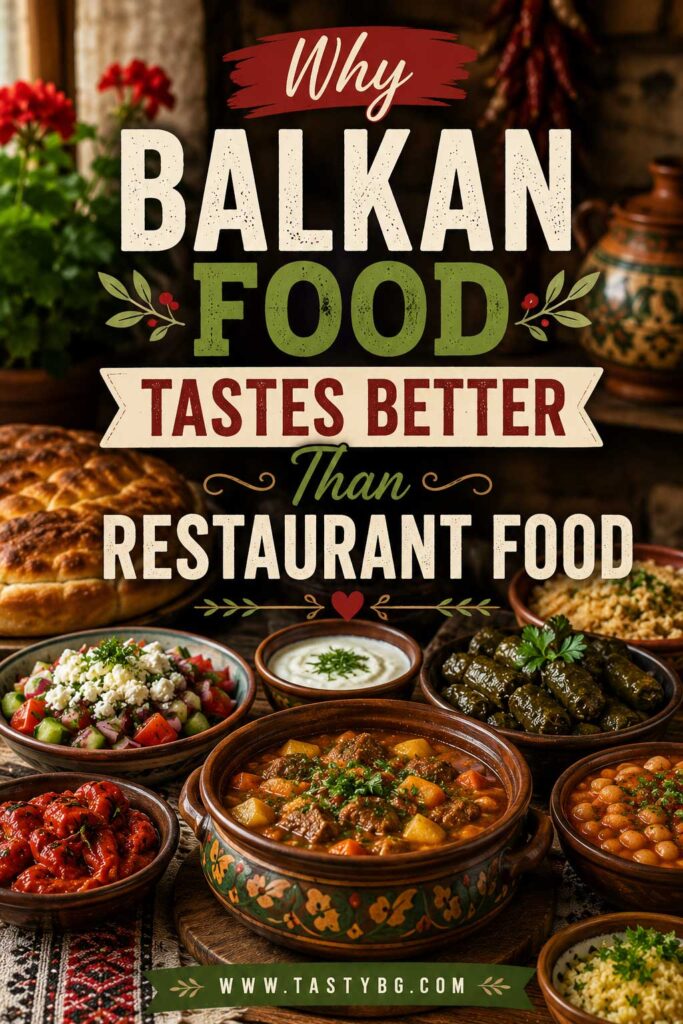
Many traditional Balkan desserts, pastries, and breads are made with surprisingly simple ingredients. Rather than relying on long ingredient lists or highly processed products, Balkan grandmothers created delicious baked goods using whatever was readily available at home or in the garden.
Common ingredients included:
- Yogurt
- Eggs
- Flour
- Honey
- Walnuts
- Seasonal fruit
- Cheese
- Homemade butter
These humble ingredients formed the foundation of countless family recipes passed down through generations. From cheese-filled pastries and rustic fruit cakes to syrup-soaked desserts and homemade breads, the focus was always on making the most of simple, quality ingredients.
Unlike many modern desserts, traditional Balkan sweets were rarely designed to be overwhelmingly sweet. Instead, they emphasized texture, nuts, fruit, yogurt, honey, and carefully balanced flavors. Walnuts added richness, seasonal fruit provided natural sweetness, and yogurt contributed moisture and a subtle tang that helped create depth and balance.
This approach is one reason many classic Balkan desserts still feel comforting and homemade rather than overly processed. Their appeal comes from tradition, simplicity, and the natural flavors of real ingredients rather than excessive sugar or artificial additives.
For Balkan grandmothers, baking was never about complexity. It was about transforming a handful of everyday ingredients into something warm, satisfying, and memorable enough to bring family and friends together around the table.
Homemade Pickles and Preserved Foods Were Essential
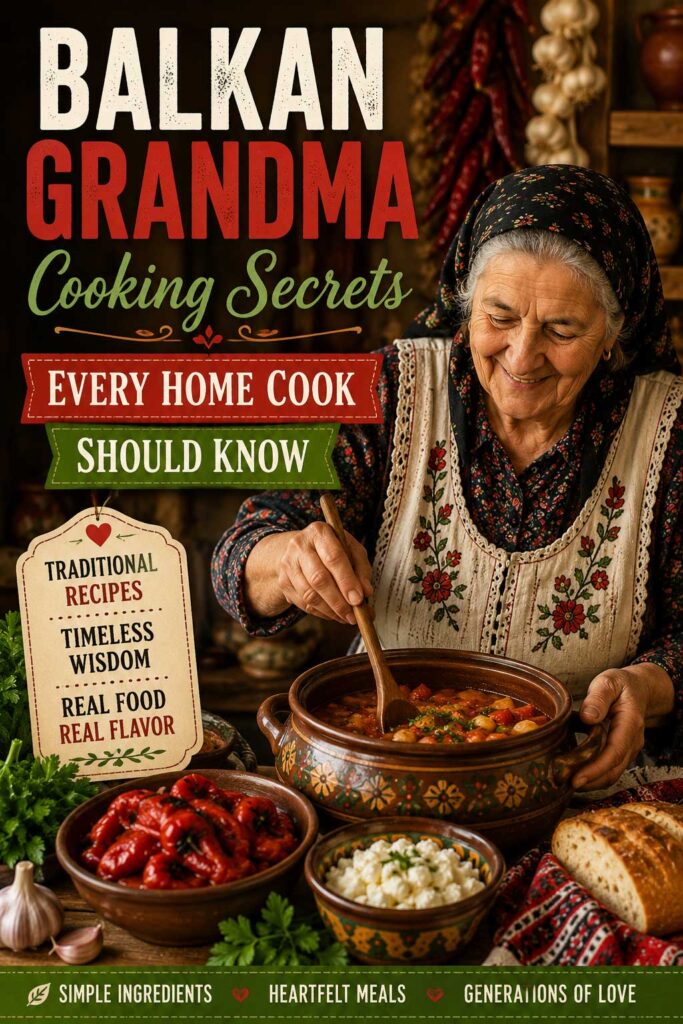
Before refrigeration became common, Balkan families relied heavily on preserving food to make it through the winter months. Late summer and autumn were often dedicated to preparing large batches of vegetables, fruits, and herbs that could be stored and enjoyed long after the growing season ended.
Grandmothers spent days preparing pantry staples such as:
- Turshia
- Pickled cabbage
- Ajvar
- Lutenitsa
- Fruit preserves
- Tomato sauces
- Dried herbs
- Fermented vegetables
These homemade preserves provided flavor, nutrition, and variety throughout the colder months when fresh produce was less available. Many families filled cellars, pantries, and storage rooms with jars that would supply meals for the entire winter.
Traditional recipes such as Bulgarian Turshia and Homemade Ajvar remain popular today because they capture the rich flavors of seasonal vegetables at their peak. These preserved foods were not simply side dishes; they were essential ingredients used in everyday cooking.
Many of these staples continue to appear in modern Balkan Pantry Essentials, helping home cooks recreate authentic flavors throughout the year. Similar preservation traditions can also be found in many Mediterranean Preserved Foods, where seasonal ingredients are carefully stored to extend their usefulness and flavor.
Even today, homemade preserves remain one of the most treasured Balkan cooking traditions. They represent resourcefulness, family heritage, and a deep connection to seasonal ingredients that has shaped Balkan cuisine for generations.
Traditional Balkan Pantry Staples Worth Keeping on Hand
A well-stocked pantry has always been one of the secrets behind flavorful Balkan cooking. Many traditional recipes rely on a handful of staple ingredients that add depth, richness, and authentic regional flavor to everyday meals.
| Product | Why It’s Helpful | Check Price |
|---|---|---|
| Sweet Paprika | Essential spice for countless Balkan recipes | Check Price on Amazon |
| Roasted Pepper Jars | Convenient ingredient for spreads, dips, and sauces | Check Price on Amazon |
| Extra Virgin Olive Oil | Traditional cooking and finishing oil throughout the region | Check Price on Amazon |
| Bulgarian Yogurt Starter | Helps create authentic homemade yogurt | Check Price on Amazon |
| Ajvar | Classic Balkan roasted pepper spread | Check Price on Amazon |
| Mediterranean Sea Salt | Enhances flavor naturally | Check Price on Amazon |
| Dried Herb Collection | Useful for soups, stews, and traditional recipes year-round | Check Price on Amazon |
Why Bread Was Treated With So Much Respect
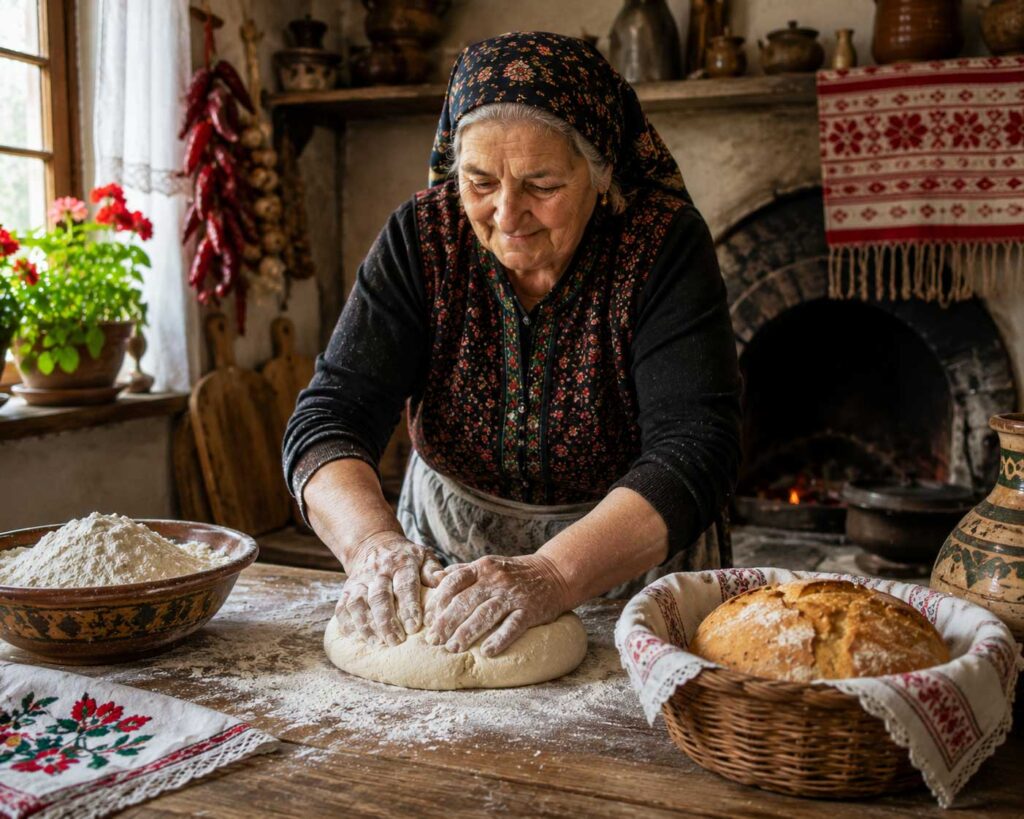
Bread holds enormous cultural importance throughout the Balkans and has long been considered much more than a simple food. For generations, bread symbolized hospitality, hard work, family, and gratitude for the harvest.
Many Balkan grandmothers baked bread daily and believed that wasting bread was deeply disrespectful. Children were often taught to appreciate every slice, and leftover bread was rarely thrown away. Instead, it was repurposed into other meals, toasted, dried, or used in traditional recipes.
Traditional Balkan bread-making often involved:
- Long fermentation
- Hand kneading
- Wood-fired baking
- Natural starters
- High-hydration doughs
These methods required time and effort, but they produced bread with exceptional flavor, texture, and aroma. Many of these techniques originated from old Balkan recipes that families have carefully preserved and passed down through generations. The slow fermentation process helped develop a deeper taste, while hand kneading and careful baking created the hearty loaves that became a staple on Balkan tables.
Fresh bread was often served with nearly every meal, whether alongside soups, salads, stews, grilled meats, or simple spreads made from roasted vegetables and cheese. In many homes, a meal was considered incomplete without a basket of fresh bread on the table.
This deep respect for bread reflects a broader Balkan philosophy of valuing simple ingredients and minimizing waste. It is one of the many traditions that helped shape the warm, generous food culture that remains central to Balkan family life today.
Balkan Grandmothers Used Seasonal Ingredients Naturally
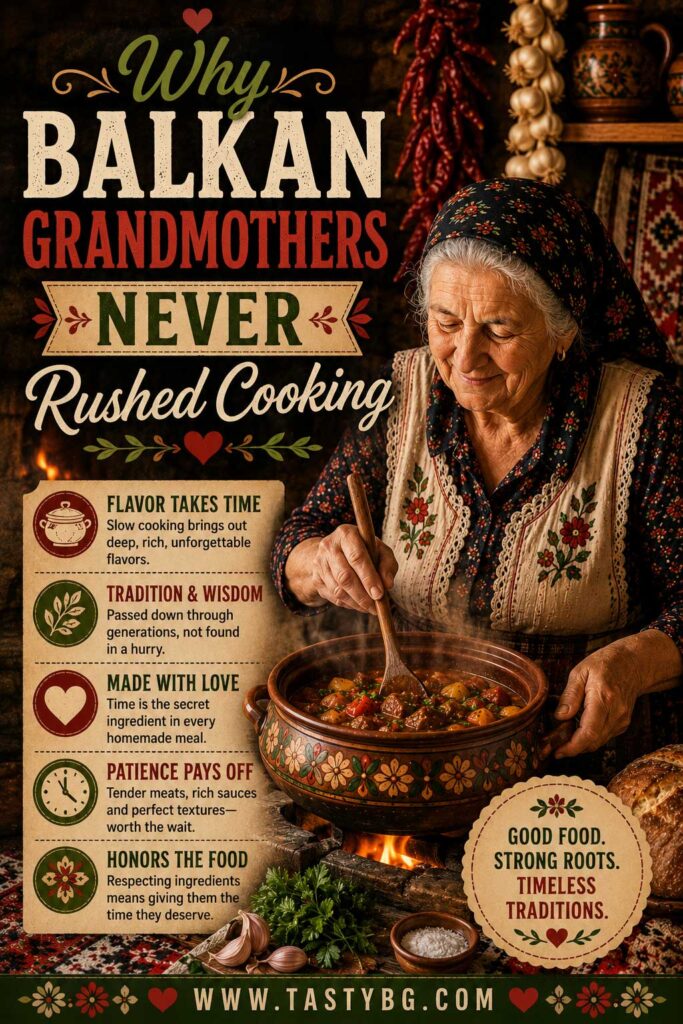
Traditional Balkan cooking followed the seasons closely. Long before year-round supermarkets became common, families relied on what was growing locally and naturally available at different times of the year. As a result, meals changed throughout the seasons, taking advantage of ingredients when they were at their freshest and most flavorful.
During the summer months, Balkan tables were filled with fresh produce. Tomatoes, cucumbers, peppers, herbs, watermelon, and yogurt-based dishes appeared regularly because these ingredients were abundant and perfectly suited to warmer weather. Fresh salads, cold soups, and light vegetable dishes became staples of everyday meals.
As the weather turned colder, cooking naturally shifted toward heartier ingredients and more substantial dishes. Beans, potatoes, cabbage, preserved vegetables, slow-cooked stews, and roasted meats became the foundation of many winter meals. These ingredients were affordable, filling, and well suited for long-term storage.
This seasonal approach allowed families to enjoy ingredients at their peak flavor while creating a natural balance throughout the year. Modern nutrition experts continue to highlight the benefits of eating seasonal produce, many of which have been practiced in Balkan kitchens for generations. Summer meals tended to be lighter and more refreshing, while winter dishes provided warmth, comfort, and nourishment during colder months.
For Balkan grandmothers, seasonal eating was never a trend—it was simply the way food had always been prepared. By working with nature rather than against it, they created meals that were flavorful, practical, and deeply connected to the rhythms of everyday life.
Why Sharing Food Is Central to Balkan Food Traditions
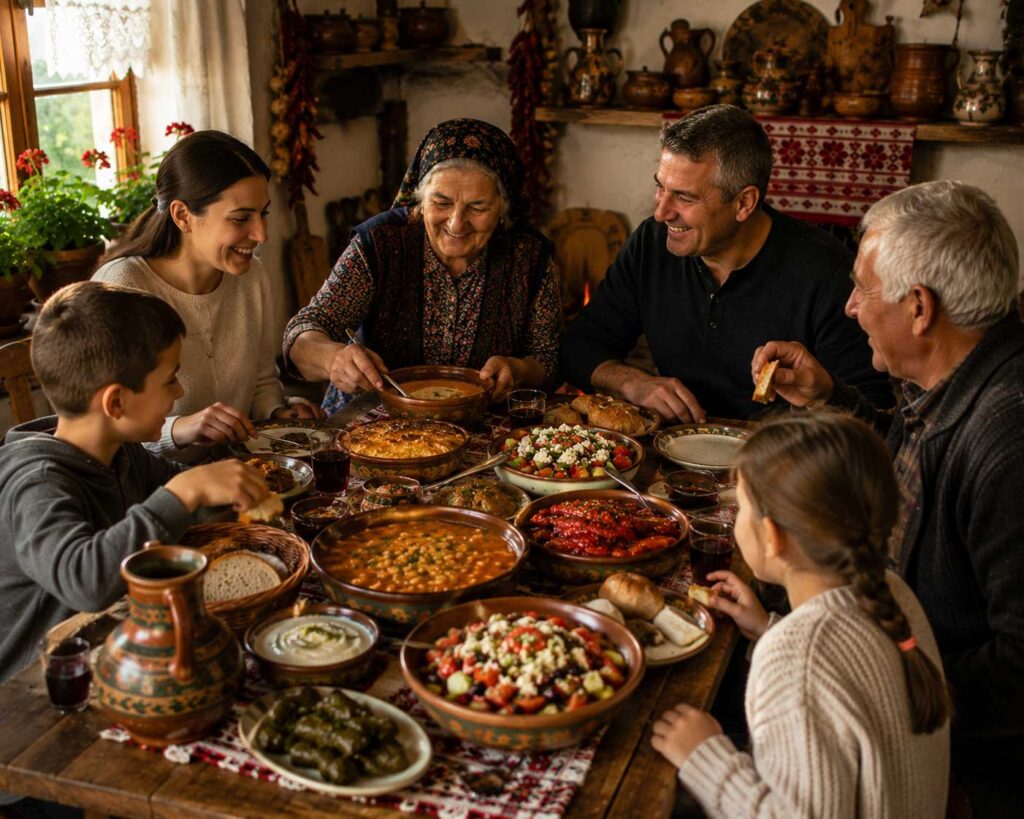
In Balkan homes, cooking has always been closely connected to hospitality. Food is not simply something to eat; it is a way of welcoming guests, celebrating important occasions, and bringing family and friends together.
Balkan grandmothers rarely cooked only for the people living in the house. There was often enough food prepared for unexpected visitors, neighbors stopping by, or extended family members joining the meal. Offering food to guests has long been considered a sign of generosity and respect throughout the region.
Traditional Balkan gatherings are known for their abundant tables filled with shared dishes. Fresh salads, homemade bread, roasted vegetables, spreads, cheeses, grilled meats, desserts, and homemade rakia are often served together so everyone can enjoy a little of everything. Meals are typically placed in the center of the table and shared rather than served as strictly individual portions.
This style of dining encourages conversation, connection, and a sense of community. The meal itself becomes part of the social experience, with people spending time together long after the food has been served.
These Balkan comfort food secrets are a major reason traditional meals continue to bring families together around the table.
Even today, many Balkan meals are designed around gathering people together rather than simply feeding individuals. This tradition of generosity and shared dining remains one of the most cherished aspects of Balkan culture and one of the reasons family recipes continue to hold such a special place in everyday life.
Common Modern Mistakes That Lose Authentic Balkan Flavor
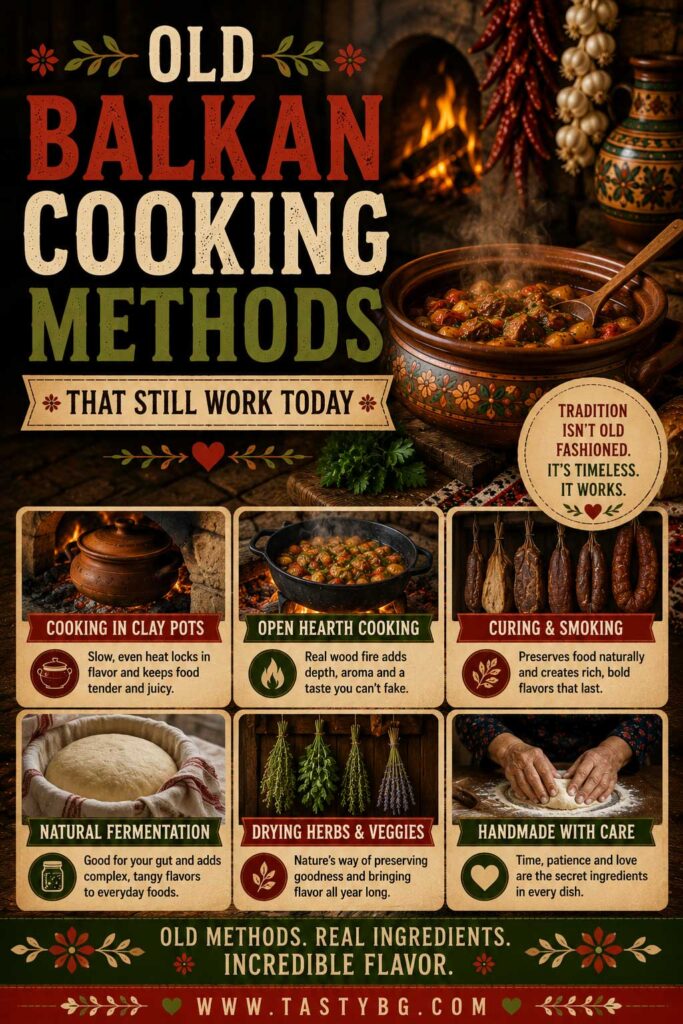
Many modern shortcuts remove the very details that make traditional Balkan food so memorable. While convenience can save time, it often comes at the expense of the flavors and textures that generations of Balkan grandmothers worked hard to perfect.
Here are some of the most common mistakes that can make Balkan dishes taste less authentic:
Using Low-Fat Dairy
Traditional Balkan recipes often rely on full-fat yogurt, cheese, milk, and other dairy products for richness and flavor. Lower-fat substitutes may work in some recipes, but they rarely provide the same creamy texture and depth.
Rushing Cooking Times
Many Balkan dishes were designed to cook slowly. Soups, stews, beans, and sauces develop their best flavor over time. Cutting cooking times short can leave dishes tasting flat and underdeveloped.
Skipping Fire-Roasted Vegetables
Roasting peppers, eggplants, and other vegetables over an open flame or at high heat creates a smoky sweetness that is difficult to achieve with raw vegetables. This step is essential in many traditional Balkan recipes.
Underseasoning With Fresh Herbs
Fresh herbs such as parsley, dill, mint, and oregano are fundamental to Balkan cooking. Using too little or relying only on dried herbs can make dishes taste less vibrant and balanced.
Using Too Much Sugar
Traditional Balkan cooking generally relies on the natural sweetness of vegetables, fruit, honey, and slow cooking rather than large amounts of added sugar. Over-sweetening can mask the flavors that make many classic recipes unique.
Authentic Balkan food is often built on simple ingredients and traditional techniques rather than complicated recipes. Paying attention to these small details can make a noticeable difference and help bring homemade meals much closer to the flavors that Balkan grandmothers created for generations.
Pro Tips for Cooking More Authentic Balkan Food at Home
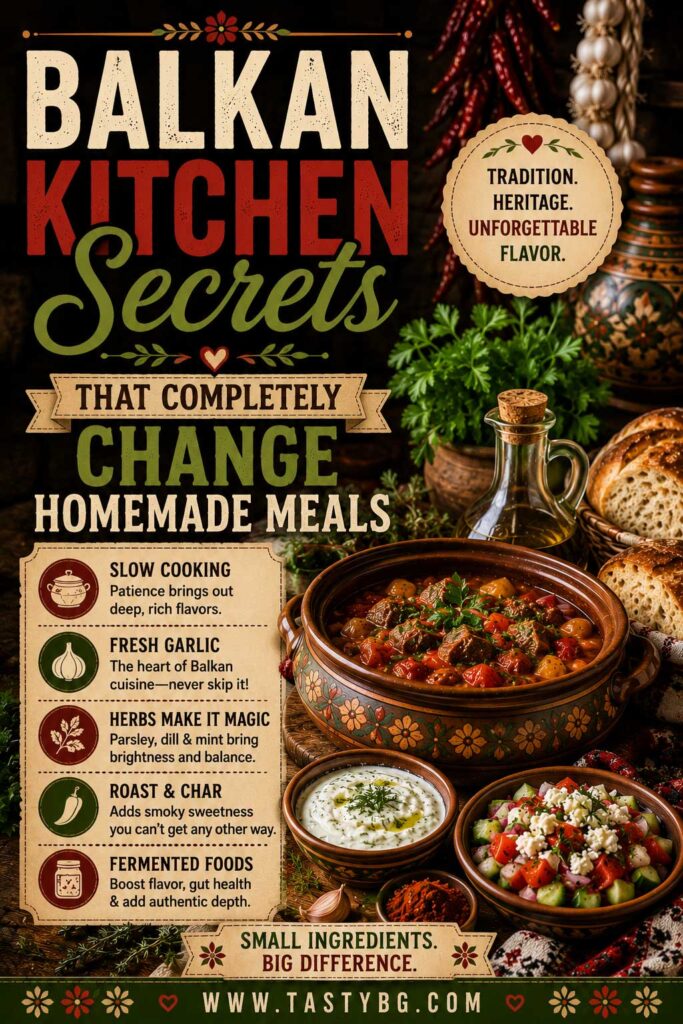
If you want your meals to taste closer to authentic Balkan home cooking, the good news is that you do not need expensive ingredients or complicated techniques. Most traditional Balkan recipes rely on simple habits that improve flavor naturally.
Keep these time-tested tips in mind when cooking:
- Roast peppers and eggplants before using them whenever possible.
- Cook onions slowly until they become soft, golden, and naturally sweet.
- Choose full-fat yogurt for a richer and more authentic flavor.
- Allow soups, stews, and sauces to rest for a few minutes before serving.
- Use fresh herbs generously, especially parsley, dill, mint, and oregano.
- Invest in good-quality paprika for deeper flavor and better color.
- Salt vegetables early when a recipe calls for it.
- Avoid rushing traditional dishes that benefit from slow cooking.
- Use olive oil or sunflower oil where traditionally appropriate.
- Taste your food throughout the cooking process and adjust seasoning as needed.
Perhaps the most important lesson from Balkan grandmothers is that great food comes from patience rather than complexity. Taking a little extra time to roast vegetables, simmer soups, or properly season ingredients often produces far better results than any shortcut.
Countless Balkan grandmother recipes still rely on these simple techniques because they consistently produce richer and more authentic flavors.
By incorporating even a few of these traditional techniques into your cooking, you can bring more authentic Balkan flavors into your kitchen and create meals that feel warmer, richer, and closer to the recipes that have been passed down through generations.
Many of these traditional Balkan cooking tips may seem simple, but together they form the foundation of authentic home cooking throughout the region. These Balkan kitchen secrets have been passed from one generation to the next because they consistently produce meals that are rich in flavor, comforting, and deeply connected to local traditions.
Balkan Grandma Cooking Secrets FAQ
What makes Balkan food taste different?
Traditional Balkan cooking stands out because it relies heavily on fresh vegetables, yogurt, herbs, roasted peppers, slow-cooking techniques, and homemade ingredients. Many recipes have been passed down through generations, preserving traditional methods that create rich, comforting flavors.
Why do Balkan grandmothers cook so slowly?
Slow cooking allows ingredients to develop deeper flavor, creates more tender textures, and helps soups, stews, and sauces become richer and more balanced. Many traditional Balkan dishes simply taste better when given enough time to cook properly.
What is the most important ingredient in Balkan cooking?
There is no single ingredient that defines Balkan cuisine, but yogurt, peppers, onions, paprika, fresh herbs, and homemade bread are among the most important staples found throughout the region. Together, they form the foundation of many traditional recipes.
Why are roasted peppers so common in Balkan cuisine?
Roasting peppers enhances their natural sweetness, adds a smoky flavor, and creates a softer texture. This makes them ideal for popular Balkan dishes such as ajvar, lutenitsa, pindjur, roasted pepper salads, and many vegetable-based spreads.
Is Balkan food healthy?
Many traditional Balkan meals are naturally balanced and made with wholesome ingredients such as vegetables, legumes, yogurt, olive oil, herbs, and minimally processed foods. While some dishes are richer than others, traditional Balkan cuisine often emphasizes seasonal ingredients and home cooking.
Keeping Balkan Cooking Traditions Alive
Balkan grandma cooking secrets are not based on complicated techniques or expensive ingredients.
They are built around patience, fresh seasonal produce, homemade traditions, careful seasoning, and generations of experience.
These old-world methods continue to create some of the most comforting and flavorful meals in the world.
Many of today’s most beloved Balkan grandmother recipes still follow the same principles of patience, seasonal ingredients, and traditional preparation.
Once you start using even a few of these traditional Balkan cooking secrets, homemade meals immediately begin tasting richer, warmer, and more authentic.
These Balkan grandma cooking secrets continue to survive because they work just as well today as they did decades ago.
Whether you’re preparing family favorites or exploring authentic Balkan cooking for the first time, these techniques can dramatically improve the flavor of homemade meals.
The best Balkan home cooking tips are often the simplest ones: cook patiently, use fresh ingredients, and respect traditional methods.
That is exactly why Balkan family recipes continue to be passed down from one generation to the next.