

Few Mediterranean street foods are as loved around the world as crispy homemade falafel. This authentic falafel recipe creates perfectly golden chickpea patties that are crunchy on the outside, fluffy inside, and packed with fresh herbs, garlic, cumin, and traditional Mediterranean flavors.
Across the Balkans and Mediterranean region, falafel has become a favorite meal for quick lunches, mezze platters, wraps, and healthy vegetarian dinners. Whether served inside warm pita bread, alongside creamy tahini sauce, or with fresh salads and pickled vegetables, authentic falafel delivers incredible texture and flavor using simple pantry ingredients.
Pair it with this Tabbouleh Salad Recipe or Authentic Greek Salad Recipe for a complete Mediterranean meal.
One of the biggest mistakes many people make is using canned chickpeas. Traditional falafel uses soaked dried chickpeas, which create the classic crispy texture that restaurants achieve. Once you make homemade falafel properly, it becomes difficult to go back to frozen or store-bought versions.
This recipe gives you the traditional method while still being approachable for home cooks.
Why This Crispy Mediterranean Street Food Became Famous Worldwide
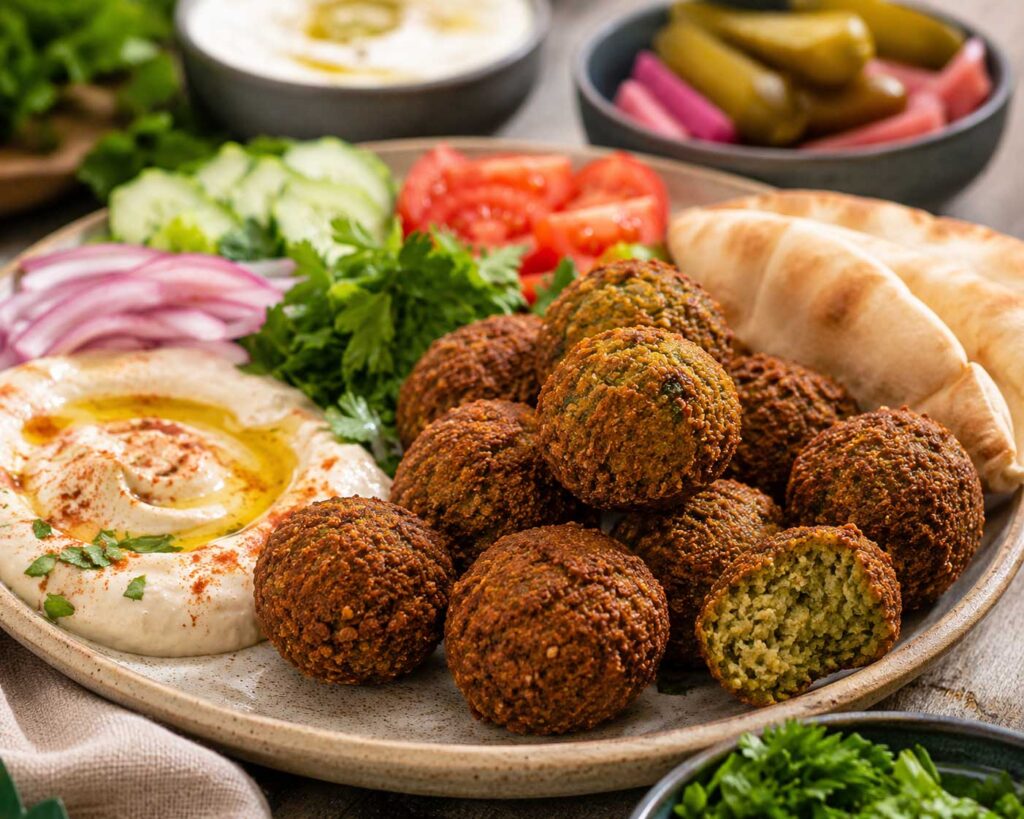
Falafel is one of the most recognizable foods in Mediterranean and Middle Eastern cuisine. While its exact origins are still debated, falafel has been enjoyed for generations and eventually spread across the Mediterranean, becoming a staple of both street food culture and home cooking.
According to Wikipedia’s history of falafel, the dish has become one of the most popular street foods throughout the Middle East and Mediterranean region.
Today, you can find falafel everywhere from Egypt and Lebanon to Greece, Bulgaria, and modern Mediterranean restaurants throughout Europe and the United States. Its popularity continues to grow because it is affordable, satisfying, and packed with flavor.
What makes falafel so special is its incredible contrast of textures. The exterior becomes deeply golden and crispy while the inside stays soft, fluffy, and aromatic thanks to a combination of fresh herbs, garlic, onions, and warm spices.
For many families, falafel is much more than a quick meal. It is often served as part of a shared table filled with hummus, fresh vegetables, salads, warm pita bread, and homemade sauces. That combination of simple ingredients, bold flavor, and communal dining is one of the reasons falafel remains a beloved Mediterranean classic around the world.
What Is Falafel?
Falafel is a traditional Mediterranean and Middle Eastern dish made from soaked chickpeas, fresh herbs, onions, garlic, and spices that are blended together, shaped into small balls or patties, and fried until golden and crispy.
For generations, falafel has been enjoyed as a popular street food and family meal throughout the Mediterranean and Middle East. Today, it remains one of the most beloved plant-based dishes thanks to its satisfying texture, bold flavor, and simple ingredients.
Traditional falafel is naturally:
- Vegan
- Vegetarian
- Dairy-free
- High in plant protein
- Rich in fiber
Falafel is often served as part of a Mediterranean mezze platter alongside Traditional Baba Ganoush Recipe and fresh vegetables.
Authentic falafel should never taste dry or dense. The best homemade falafel has:
- A crispy golden exterior
- A moist and fluffy center
- Bright herb flavor
- Warm earthy spices
- Fresh garlic aroma
When prepared correctly, falafel delivers the perfect balance of crunch, freshness, and Mediterranean flavor in every bite.
Ingredients for Authentic Falafel
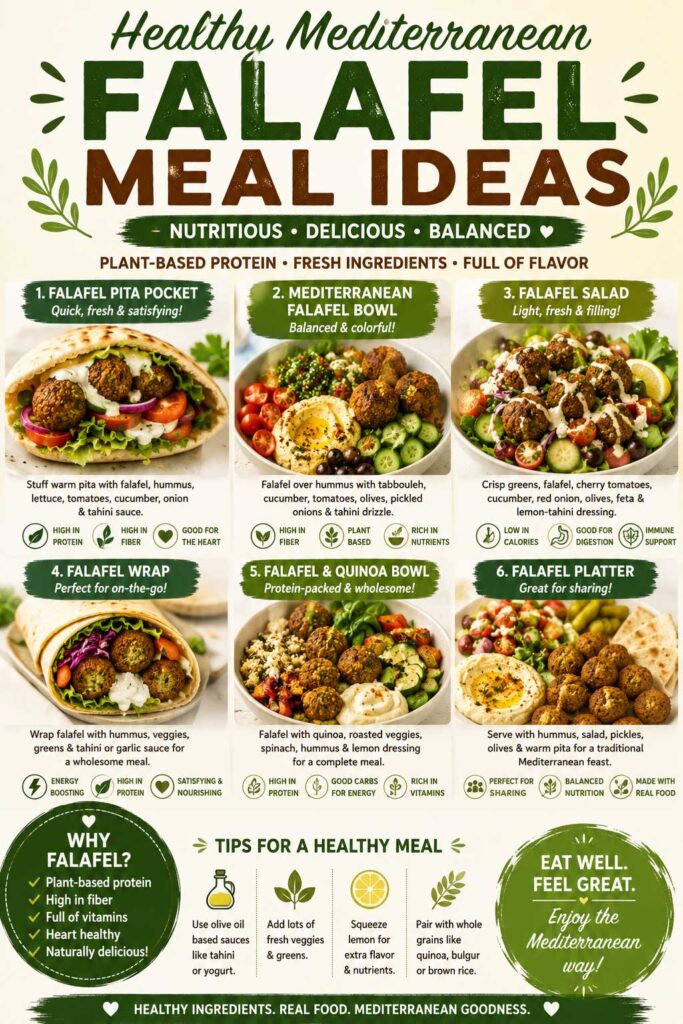
Traditional falafel relies on a handful of simple ingredients that work together to create its signature crispy exterior and herb-filled center. Dried chickpeas form the base, while fresh herbs, garlic, and warm spices provide the classic Mediterranean flavor that makes authentic falafel so popular around the world.
For the Falafel
- 1¼ cups dried chickpeas, soaked overnight and drained well
- ½ cup onion, finely chopped
- 1 clove garlic, crushed
- 2 tablespoons cilantro, finely chopped
- 1 tablespoon flat-leaf parsley, finely chopped
- ½ teaspoon baking powder
- ¼ teaspoon ground cardamom
- ½ teaspoon ground cumin
- ½ teaspoon ground coriander
- ¼ teaspoon cayenne pepper
- 3 tablespoons water
- 1½ tablespoons all-purpose flour
- ¾ teaspoon salt
- ½ teaspoon sesame seeds
- 3 cups sunflower oil, for frying
For the Tahini Sauce
- ⅔ cup tahini paste
- ½ cup water
- 2 tablespoons fresh lemon juice
- 1 clove garlic, crushed
- ¼ teaspoon salt
For Serving
- Pita bread pockets
- Sliced tomatoes
- Cucumber
- Lettuce
- Pickled vegetables (optional)
- Extra tahini sauce
Affiliate Disclosure: This article may contain affiliate links. If you purchase through these links, I may earn a small commission at no additional cost to you.
Best Mediterranean Pantry Ingredients for Falafel
Authentic ingredients can make a noticeable difference in the flavor and texture of homemade falafel.
| Product | Why It’s Helpful | Check Price |
|---|---|---|
| Organic Dried Chickpeas | Essential for authentic falafel texture | Check Price on Amazon |
| Organic Ground Cumin | Traditional Mediterranean flavor | Check Price on Amazon |
| Organic Ground Coriander | Adds classic falafel aroma | Check Price on Amazon |
| Premium Tahini Paste | Perfect for homemade tahini sauce | Check Price on Amazon |
| Mediterranean Extra Virgin Olive Oil | Ideal for serving and Mediterranean meals | Check Price on Amazon |
Why Dried Chickpeas Matter
One of the biggest secrets behind truly authentic falafel is using soaked dried chickpeas instead of canned chickpeas.
While canned chickpeas may seem convenient, they contain too much moisture and often lead to disappointing results, including:
- Mushy falafel
- Patties that fall apart during cooking
- Dense, heavy texture
- Less crispy exterior
Traditional falafel relies on dried chickpeas that have been soaked overnight but not cooked. This creates the light, fluffy interior and crispy golden crust that Mediterranean street vendors and home cooks are known for.
Although it requires a little extra planning, soaking dried chickpeas is one of the most important steps in making authentic falafel. This simple technique dramatically improves both texture and flavor and can completely transform the final result.
Best Herbs for Traditional Falafel
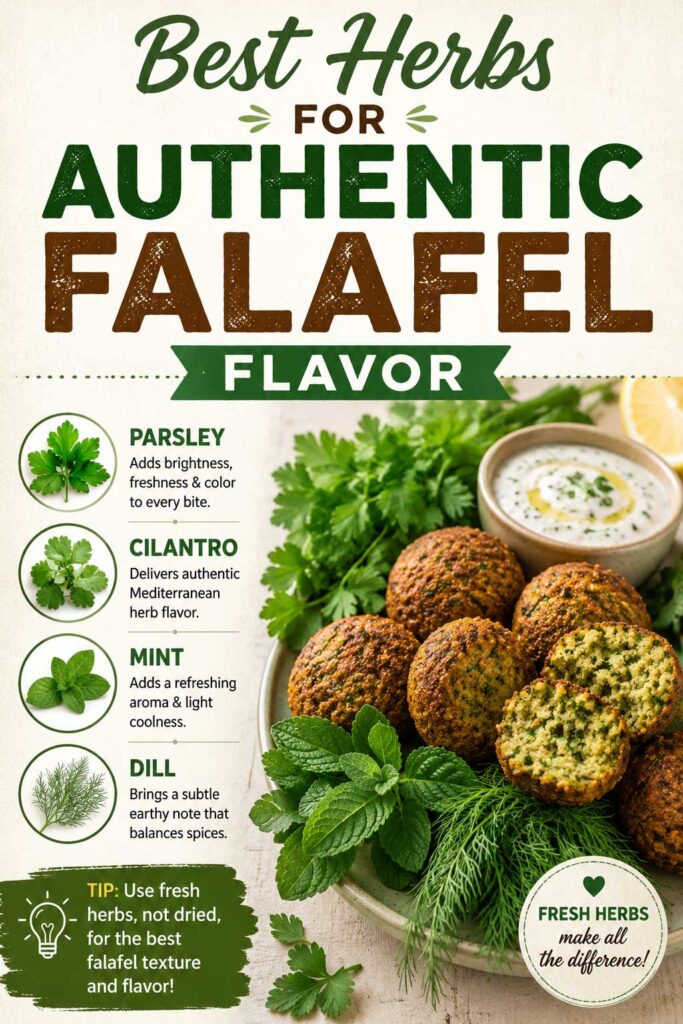
Fresh herbs are what give authentic falafel its signature green interior, fresh flavor, and aromatic Mediterranean character. While every family has its own preferred blend, a combination of herbs and garlic is what makes homemade falafel taste vibrant and authentic.
Parsley
Parsley adds brightness, freshness, and the classic Mediterranean flavor that many people associate with traditional falafel. It also contributes to the beautiful green color found inside freshly made falafel.
Cilantro
Cilantro creates a deeper herb flavor that is commonly found in authentic falafel recipes throughout the Mediterranean and Middle East. Its distinctive taste adds complexity and helps balance the earthy flavor of the chickpeas.
Fresh Garlic
Fresh garlic is essential for bold traditional flavor. Even a small amount adds aroma and depth that makes homemade falafel far more flavorful than many store-bought versions.
Finding Your Perfect Herb Balance
Some families use more parsley while others prefer extra cilantro. Every household develops its own favorite balance over time, creating a unique version of this beloved Mediterranean classic.
How to Make Authentic Falafel Step-by-Step
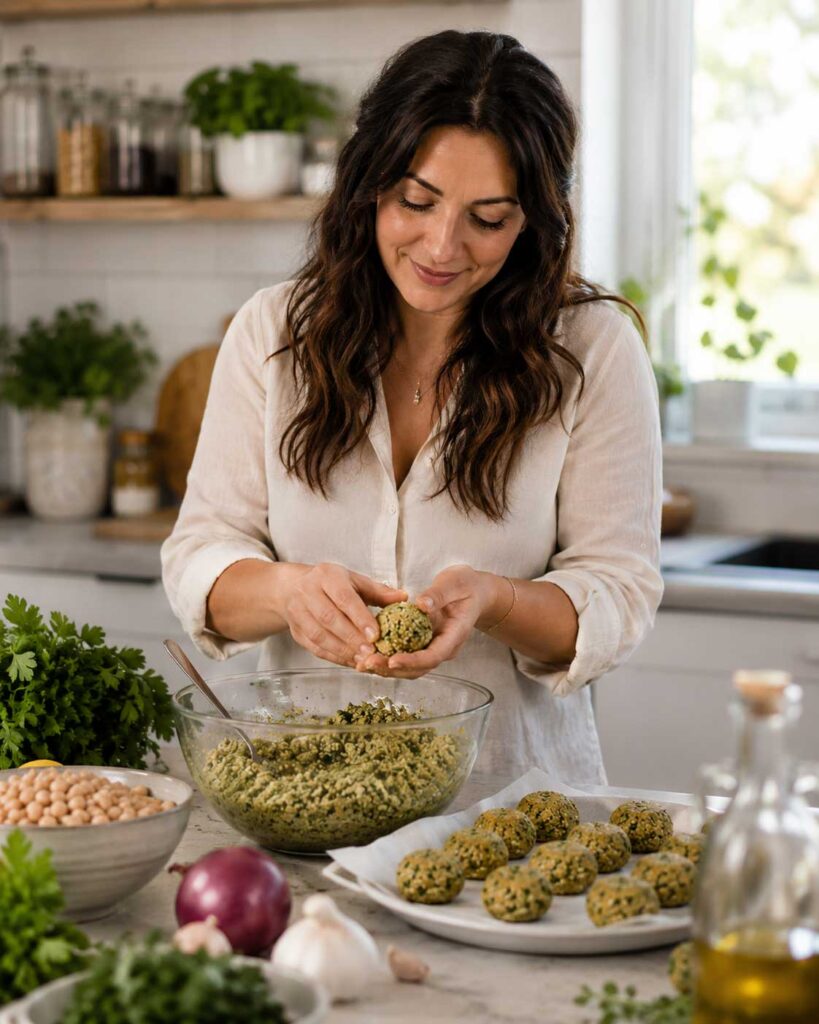
Making authentic falafel at home is easier than it looks, but the texture depends on a few important details. The chickpeas need to be soaked, the mixture should stay slightly coarse, and the falafel should be fried until golden and crisp.
Step 1: Soak the Chickpeas
Place the dried chickpeas in a large bowl and cover them with plenty of water. Let them soak overnight for 18–24 hours, then drain them very well before using.
Do not cook the chickpeas before making falafel. Soaked dried chickpeas create the traditional fluffy center and crispy exterior.
Step 2: Prepare the Falafel Mixture
Add the soaked chickpeas, garlic, onion, parsley, and cilantro to a food processor. Pulse for 30–40 seconds until finely chopped but not completely smooth.
The mixture should look coarse and crumbly, not pasty like hummus.
Step 3: Add the Spices and Binder
Add the baking powder, flour, cumin, coriander, cardamom, cayenne pepper, salt, and water. Transfer the mixture to a bowl and mix with your hands until everything is fully combined.
Cover the bowl and refrigerate the mixture for at least 1 hour. This helps the falafel hold together better while frying.
Step 4: Shape the Falafel
Wet your hands and form small balls using about 1 tablespoon of the mixture for each falafel.
You can roll the falafel in sesame seeds or sprinkle sesame seeds on top before frying.
Step 5: Fry Until Golden and Crispy
Heat the sunflower oil in a medium saucepan or deep skillet over medium-high heat until it reaches about 350°F.
Fry the falafel in batches for about 4 minutes, or until golden brown and crispy on the outside.
Step 6: Drain and Serve
Transfer the cooked falafel to a paper towel-lined plate to drain any excess oil.
Serve warm in pita bread pockets with tahini sauce, fresh vegetables, pickles, or your favorite Mediterranean sides.
Best Tools for Making Homemade Falafel
A few simple kitchen tools can make preparing authentic falafel much easier. These are especially helpful when working with soaked chickpeas and creating the perfect crispy texture.
| Product | Why It’s Helpful | Check Price |
|---|---|---|
| Ninja Professional Food Processor | Easily processes soaked chickpeas without turning them into hummus | Check Price on Amazon |
| Cuisinart 14-Cup Food Processor | Excellent for larger batches of falafel | Check Price on Amazon |
| Falafel Scoop Mold | Creates uniform falafel patties and balls | Check Price on Amazon |
| Dutch Oven | Maintains consistent frying temperature | Check Price on Amazon |
| Instant Read Thermometer | Helps keep oil at the ideal frying temperature | Check Price on Amazon |

Authentic Falafel Recipe
Equipment
- Food processor
- Cutting board
- Large bowl
- Sharp knife
- A medium saucepan
Ingredients
For Falafel balls
- 1¼ cups dried chickpeas (soaked overnight and drained well)
- ½ cup onion (finely chopped)
- 1 cloves garlic (crushed)
- 1 tbsp cilantro (finely chopped)
- 1 tbsp flat-leaf parsley (finely chopped)
- ½ tsp baking powder
- ¼ tsp ground cardamom
- ½ tsp ground cumin
- ½ tsp ground coriander
- ¼ tsp cayenne pepper
- 3 tbsp water (filtered or distilled )
- 1½ tbsp all-purpose flour
- 3 cups sunflower oil (for frying)
- ½ tsp sesame seeds (for sprinkling)
- ¾ tsp salt
For Tahini sauce
- ⅔ cup tahini paste
- ½ cup water
- 2 tbsp lemon juice (freshly squeezed)
- 1 clove garlic (crushed)
- ¼ tsp salt
For Sandwich
- pita bread pockets
Instructions
Falafel balls
- Add the chickpeas, garlic, onion, parsley, and cilantro to a food processor. Pulse for 30–40 seconds until finely chopped but not smooth. Do not hold too long otherwise it will become pasty.
- Add the baking powder, flour, spices, salt, and water. Transfer the mixture to a bowl and mix with your hands until fully combined. Once the mixture is smooth, cover the bowl and refrigerate for at least 1 hour.
- Heat the sunflower oil in a medium saucepan or deep skillet over medium-high heat until it reaches 350°F (175°C). For a lighter version, you can also cook the falafel in an air fryer or bake them in the oven.
- Wet your hands and form small balls using about 1 tablespoon of the mixture for each falafel. You can use 1 tbsp of the mixture per ball.
- Roll the falafel in sesame seeds or sprinkle them on top. Fry for about 4 minutes, or until golden brown and crispy.
- Use a paper towel to drain any extra oil from the falafel balls.
Tahini sauce
- Stir the tahini paste well before measuring.
- Then transfer the paste into a mixing bowl and add the garlic, water, salt and lemon juice.
- Whisk until smooth and creamy. Add a little extra water if needed to reach your desired consistency.
- You can transfer it into a jar and store it in the fridge for up to a week.
Notes
- Always use dried chickpeas, not canned chickpeas.
- Do not overprocess the mixture or it may become dense.
- Refrigerating the mixture helps the falafel hold together better.
- Falafel is best served fresh and hot.
- Leftover falafel can be refrigerated for up to 4 days.
Nutritional information should be considered an estimate only and may vary depending on the specific ingredients, brands, and portion sizes used. Always consult with a nutritionist, registered dietitian, or physician if you have specific dietary or health-related questions.
It is always better for your health to use clean ingredients whenever possible, preferably organic and free from unnecessary pesticides, antibiotics, and hormones.
Pro Tips for the Best Authentic Falafel
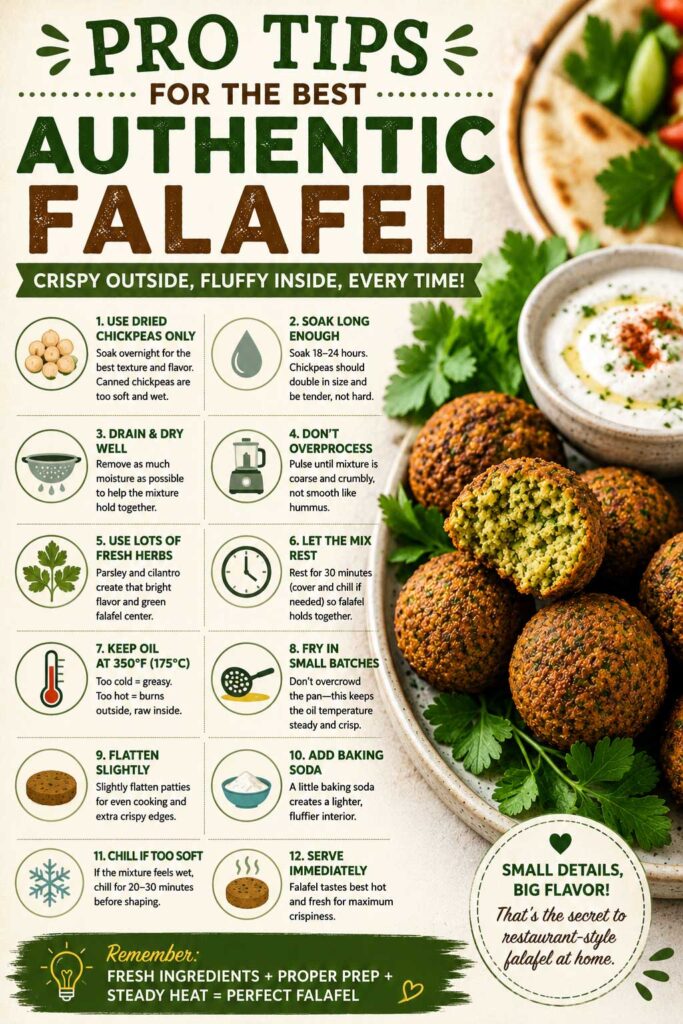
The secret to truly authentic falafel starts long before the frying stage.
Use dried chickpeas. Traditional Mediterranean falafel always uses dried chickpeas that have been soaked overnight rather than canned chickpeas. This creates the signature fluffy center and crispy exterior that makes homemade falafel taste like it came from a small street café along the Mediterranean coast.
Dry fresh herbs thoroughly. Fresh herbs play a major role in flavor and texture. After washing parsley and cilantro, make sure they are dried well before blending. Excess moisture can make the mixture too soft and difficult to shape properly.
Keep the texture coarse. The falafel mixture should stay slightly coarse and crumbly rather than smooth like hummus. Overprocessing creates dense, heavy falafel instead of the light airy texture people love.
Chill the mixture if needed. If the mixture feels too wet or soft after blending, refrigerating it for 20–30 minutes can make shaping much easier. Many traditional cooks use this simple trick to help the patties hold together better during frying.
Maintain a steady oil temperature. The oil should stay at a consistent temperature so the outside becomes deeply golden and crisp while the inside cooks evenly. Frying too many falafel at once lowers the oil temperature quickly, which can make them greasy instead of crispy.
Serve immediately. Falafel is always best served fresh and hot. That contrast between the crunchy exterior and soft herb-filled center is what makes authentic falafel so satisfying.
Small details like these may seem simple, but together they make a huge difference when creating truly memorable homemade falafel.
Common Mistakes to Avoid When Making Falafel
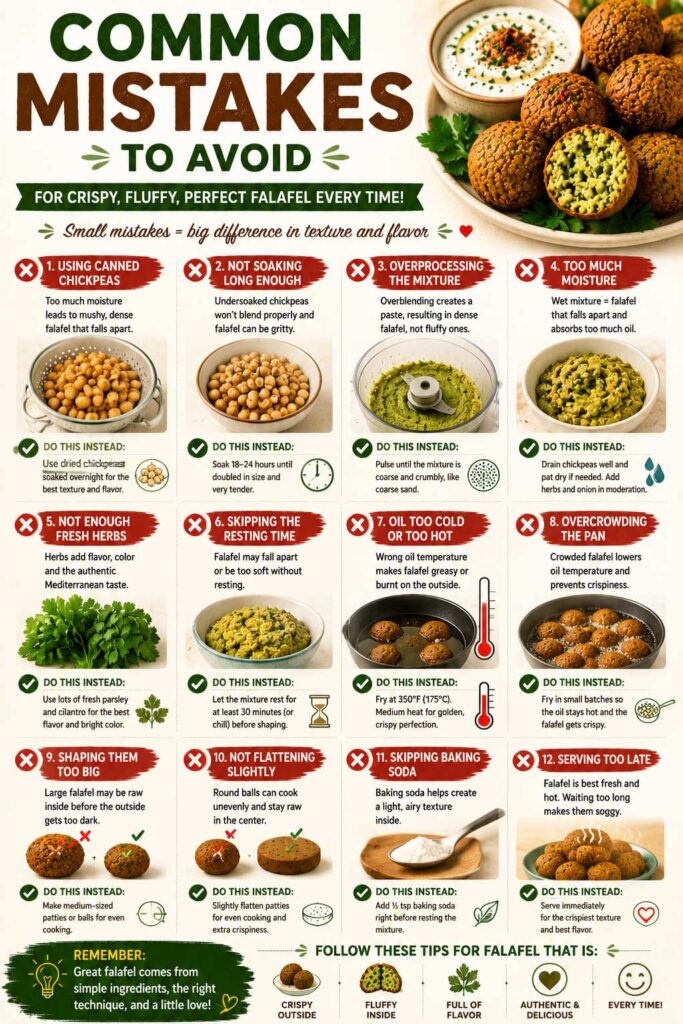
Even simple falafel recipes can go wrong when a few key details are overlooked. Understanding the most common mistakes can help you achieve crispy, flavorful falafel with a light and fluffy center every time.
Using Canned Chickpeas Instead of Dried Chickpeas
One of the biggest mistakes people make when preparing homemade falafel is using canned chickpeas instead of dried soaked chickpeas. While canned chickpeas may seem convenient, they contain far too much moisture and usually create soft, mushy falafel that falls apart during frying.
Traditional falafel depends on soaked dried chickpeas for its signature crispy texture and fluffy interior.
Overblending the Mixture
Falafel should never have a completely smooth hummus-like consistency. When processed too much, the mixture becomes dense and heavy instead of light and airy.
Authentic falafel should retain a slightly coarse texture with tiny visible pieces of chickpeas and herbs throughout the mixture.
Frying at the Wrong Oil Temperature
Oil temperature plays a major role in the final texture. If the oil is too cold, the falafel absorbs excess oil and becomes greasy rather than crispy.
If the oil is too hot, the outside browns too quickly while the inside remains undercooked. Maintaining a steady temperature helps create evenly cooked falafel with a golden, crunchy crust.
Skipping the Resting Time
Allowing the falafel mixture to rest before frying helps the ingredients bind together naturally and improves overall flavor.
Without resting, falafel patties may crumble or break apart more easily during cooking.
Adding Too Much Flour
Flour should only be used sparingly if the mixture needs a little extra help holding together. Too much flour creates dry, heavy falafel and takes away from the soft herb-filled center that makes authentic falafel so enjoyable.
Great Falafel Is All About the Details
Like many traditional Mediterranean recipes, great falafel comes down to patience, balance, and attention to small details. A few simple techniques can make the difference between average falafel and restaurant-quality results.
Is Falafel Healthy?
Falafel can absolutely be part of a balanced Mediterranean-style meal, especially when served with fresh vegetables, salads, and homemade sauces. Traditional falafel is made primarily from chickpeas, herbs, garlic, and spices, which means it naturally contains plant-based nutrients and fiber without relying on heavily processed ingredients.
Nutritional Benefits of Falafel
Chickpeas are one of the reasons falafel is so satisfying and filling. They provide plant protein that helps keep meals more balanced and energizing, while the fiber supports digestion and helps create longer-lasting fullness.
The USDA FoodData Central database lists chickpeas as a good source of plant protein, fiber, and several important minerals.
Chickpeas also contain important minerals like iron along with complex carbohydrates that provide more steady energy compared to highly processed fast foods.
Fresh herbs such as parsley and cilantro add additional nutrients and freshness, while garlic, cumin, and coriander contribute flavor without needing heavy sauces or excessive additives.
How to Make Falafel Healthier
Like many Mediterranean foods, the overall healthiness of falafel often depends on how it is prepared and served. Deep frying creates the traditional crispy texture people love, but air frying or baking can reduce the amount of oil while still producing delicious results.
Pairing falafel with fresh salads, cucumbers, tomatoes, tahini sauce, hummus, or whole grain pita can help create a more balanced meal with a variety of textures and nutrients.
Many people enjoy pairing falafel with an Authentic Greek Salad Recipe for a lighter Mediterranean-style meal.
One of the reasons falafel remains so popular across Mediterranean cuisines is because it combines comfort food flavor with wholesome ingredients that feel both hearty and fresh at the same time.
Air Fryer Falafel Variation
For a lighter Mediterranean-style version, air fryer falafel delivers excellent flavor with far less oil while still creating a beautifully crisp exterior. Many people love this method because it keeps the falafel lighter without losing the fresh herb flavor and fluffy interior that makes authentic falafel so satisfying.
To make air fryer falafel, preheat the air fryer to 375°F and lightly spray the falafel with oil before cooking. Arrange the falafel in a single layer so the hot air can circulate evenly around each piece. Cook for 12–15 minutes, flipping halfway through to help both sides become golden and crisp.
The final texture will usually be slightly less crunchy than traditional deep-fried falafel, but the result is still incredibly flavorful and perfect for wraps, bowls, salads, or quick weekday meals.
For additional air fryer cooking guidance, see the Food Network air fryer guide.
Air Fryer & Healthy Falafel Cooking Essentials
If you prefer lighter Mediterranean cooking, these tools help make healthier falafel with less oil.
| Product | Why It’s Helpful | Check Price |
|---|---|---|
| Ninja Air Fryer | Creates crispy falafel with less oil | Check Price on Amazon |
| Cosori Air Fryer | Popular option for Mediterranean meal prep | Check Price on Amazon |
| Parchment Air Fryer Liners | Easier cleanup and less sticking | Check Price on Amazon |
| Olive Oil Spray Bottle | Lightly coats falafel before air frying | Check Price on Amazon |
| Glass Meal Prep Containers | Perfect for storing leftover falafel | Check Price on Amazon |
Baked Falafel Variation
Baked falafel is another great option for anyone looking for an easier hands-off cooking method. Baking creates a slightly firmer texture while still allowing the inside to stay soft and herb-filled.
Place the falafel on a lightly greased baking sheet and bake at 400°F for about 25 minutes, flipping once halfway through cooking for even browning. A light spray of oil on the outside helps create a better golden crust.
This version works especially well for Mediterranean meal prep bowls, grain salads, wraps, and healthy lunches because the falafel holds its shape nicely after refrigeration.
Regional Variations of Falafel
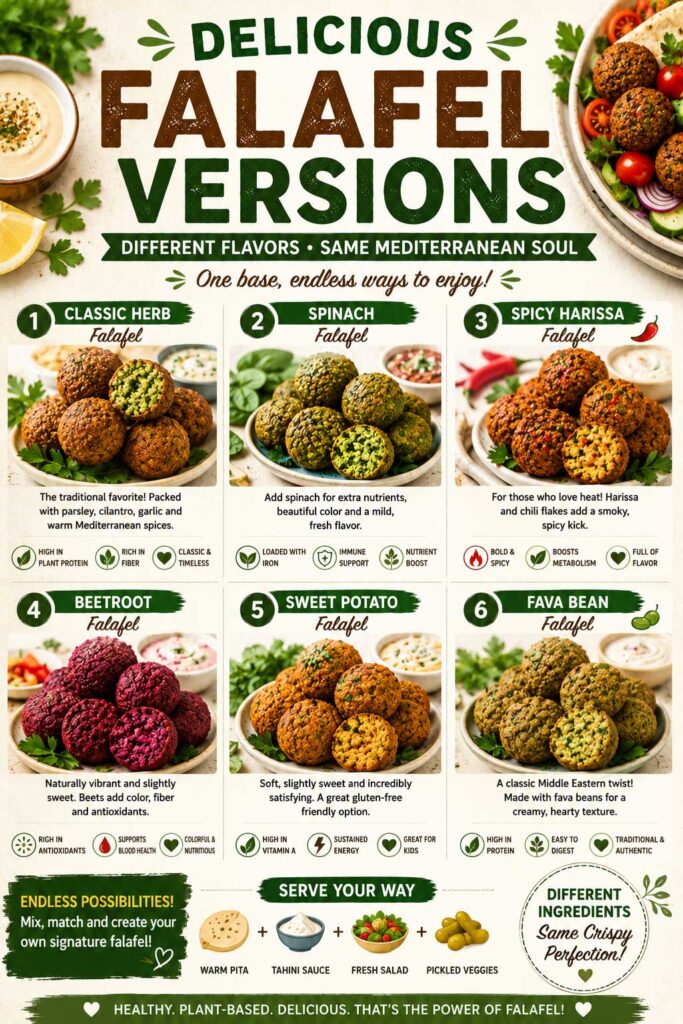
Although falafel is widely recognized across the Mediterranean and Middle East, different regions prepare it in slightly different ways depending on local ingredients, traditions, and family preferences. These small variations are part of what makes falafel such a beloved and adaptable dish across so many cultures.
Egyptian Falafel (Ta’ameya)
In Egypt, traditional falafel — often called ta’ameya — is commonly made with fava beans instead of chickpeas. This version tends to have a softer interior and an especially vibrant green center from the large amount of fresh herbs blended into the mixture.
Egyptian falafel is often enjoyed as a popular breakfast or street food and is typically served with fresh vegetables, pita bread, and flavorful sauces.
Lebanese Falafel
Lebanese falafel is usually very herb-forward and aromatic, with generous amounts of parsley and cilantro creating the bright green interior many people associate with authentic Mediterranean falafel.
The flavor is often lighter and fresher, especially when paired with pickled vegetables, tahini sauce, and warm pita bread.
Modern Mediterranean Falafel Variations
Modern Mediterranean versions continue to evolve and often include additional ingredients for extra flavor and texture. Some recipes incorporate:
- Sesame seeds for nuttiness
- Chili flakes for heat
- Spinach for added color and freshness
- Extra garlic for bolder flavor
- Fresh mint for a refreshing twist
Many families gradually develop their own signature version based on local ingredients, regional traditions, and personal preferences.
Why Falafel Varies From Region to Region
That flexibility is one of the reasons falafel has remained so popular around the world. Even though the core ingredients stay simple, every region — and often every family — tends to add its own personality to the recipe.
These variations help keep falafel both deeply traditional and endlessly adaptable, making it one of the most beloved dishes in Mediterranean and Middle Eastern cuisine.
What to Serve With Falafel
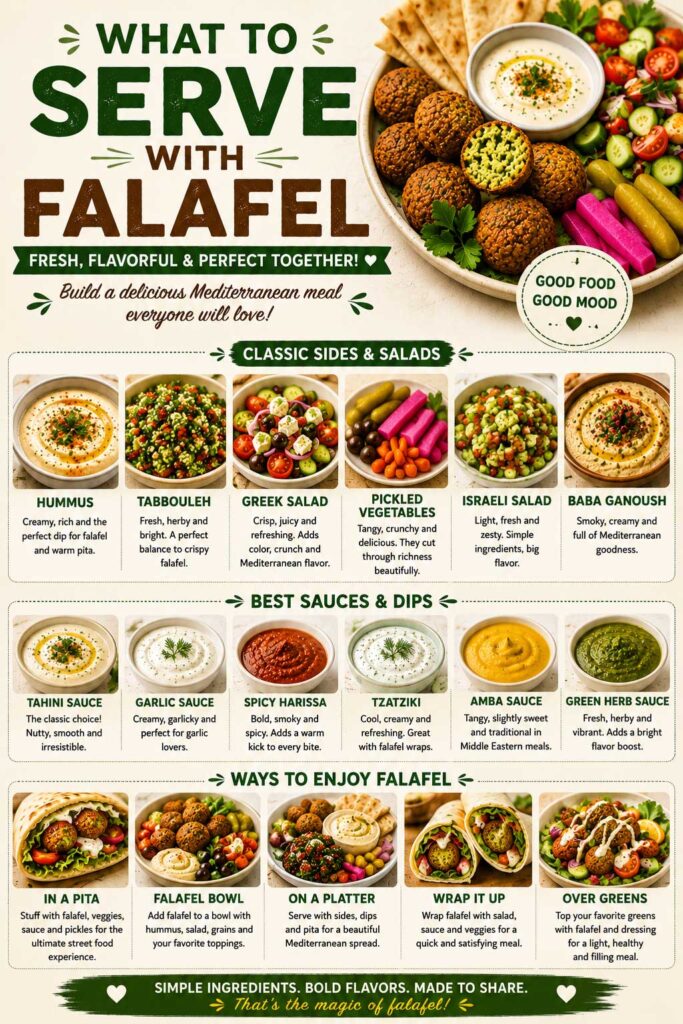
Falafel pairs beautifully with many Mediterranean dishes because its crispy texture and rich herb flavor work well alongside fresh vegetables, creamy sauces, warm bread, and bright salads. One of the reasons falafel has become so popular around the world is how versatile it can be when building a complete meal.
For even more Mediterranean flavor, try serving falafel with Authentic Tarator Recipe or a fresh Tabbouleh Salad Recipe.
Traditional Falafel Pairings
Traditionally, falafel is served inside warm pita bread with tahini sauce, hummus, fresh tomatoes, cucumbers, olives, and crunchy pickled vegetables. The creamy sauces balance the crispiness of the falafel while the vegetables add freshness and texture.
In many Mediterranean homes and street cafés, falafel platters are built around simple colorful ingredients that can easily be shared at the table.
Fresh Salads and Vegetables
Fresh salads are another classic pairing for falafel. Crisp Mediterranean salads made with cucumbers, tomatoes, herbs, onions, and olive oil help balance the richness of the crispy falafel while adding freshness and color to the meal.
Many people also enjoy serving falafel with yogurt-based sauces or refreshing cucumber salads during warmer months.
Mediterranean Bowls and Grain Dishes
Beyond traditional pita sandwiches, falafel works especially well in Mediterranean-style meal bowls. Rice bowls, grain salads, roasted vegetables, quinoa, couscous, and fresh greens all pair naturally with falafel because the flavors complement each other without overpowering the dish.
These combinations are particularly popular for meal prep lunches and healthy weeknight dinners.
Falafel as Part of a Mezze Platter
For larger family meals or entertaining guests, falafel is often served as part of a Mediterranean mezze platter. It pairs beautifully with hummus, baba ganoush, olives, fresh herbs, warm flatbreads, and a variety of small dishes designed for sharing.
You can also include Bulgarian Tarator as a refreshing addition to a Mediterranean mezze spread.
This style of serving allows everyone to mix and match flavors while enjoying a relaxed Mediterranean dining experience.
Best Serving Accessories for Falafel Meals
Turn homemade falafel into a complete Mediterranean dining experience with a few simple serving essentials.
| Product | Why It’s Helpful | Check Price |
|---|---|---|
| Mezze Serving Platter Set | Perfect for falafel, hummus, olives, and vegetables | Check Price on Amazon |
| Pita Bread Warmer Basket | Keeps pita soft and warm | Check Price on Amazon |
| Small Sauce Bowls Set | Great for tahini, tzatziki, and harissa | Check Price on Amazon |
| Mediterranean Spice Collection | Expands Mediterranean cooking options | Check Price on Amazon |
| Olive Wood Serving Board | Beautiful presentation for mezze platters | Check Price on Amazon |
Best Sauces for Falafel
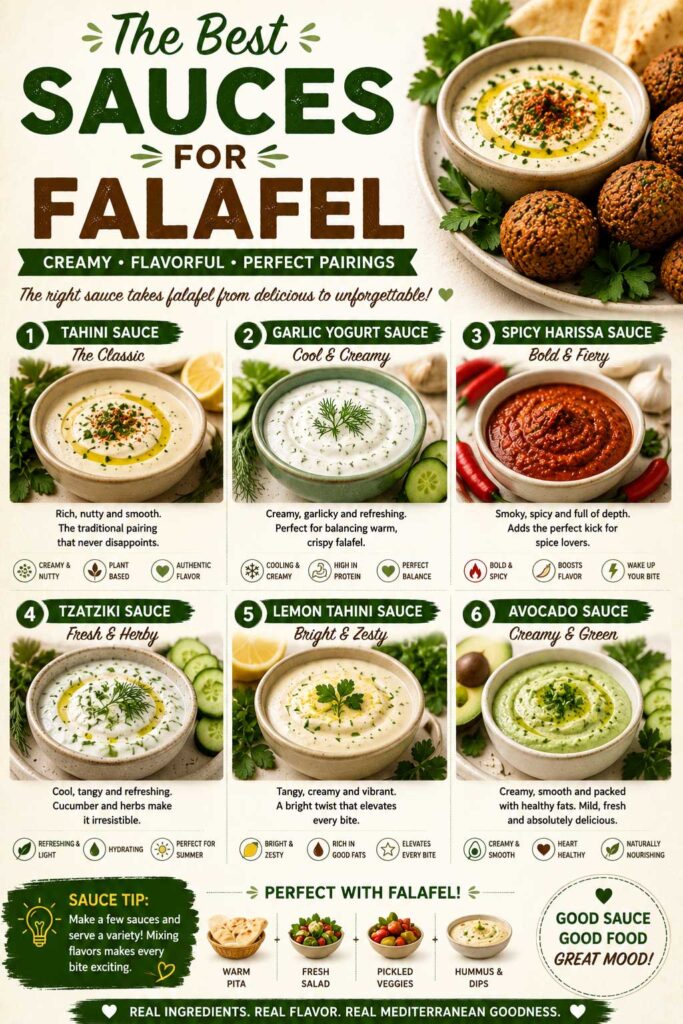
One of the best things about homemade falafel is how well it pairs with creamy Mediterranean sauces and fresh flavorful dips. The crispy exterior and herb-filled center balance beautifully with sauces that add richness, freshness, or a little heat.
Tahini Sauce
Tahini sauce is the classic traditional pairing and remains one of the most popular ways to serve falafel. Made from sesame paste, lemon juice, garlic, and water, tahini creates a smooth nutty sauce that complements the earthy chickpeas and fresh herbs perfectly.
Learn more about sesame-based tahini from the Healthline tahini guide.
Tahini is one of the most popular sauces used in Mediterranean cuisine and pairs especially well with Traditional Baba Ganoush Recipe.
Garlic Yogurt Sauce
Garlic yogurt sauce is another favorite, especially in Balkan and Mediterranean-style meals. The cool creamy texture balances the warm crispy falafel while fresh garlic and herbs add even more flavor. Many families serve yogurt-based sauces during summer because they feel especially refreshing alongside hot falafel.
Spicy Harissa Sauce
For people who enjoy spicy food, harissa sauce adds smoky heat and deeper Mediterranean flavor. A little spicy sauce can completely transform a falafel wrap or grain bowl and pairs especially well with roasted vegetables and fresh herbs.
Tzatziki
Tzatziki is also a refreshing option that works beautifully with falafel. The combination of cucumber, yogurt, garlic, and dill creates a lighter sauce that feels cooling and fresh, especially during warmer months. In many Balkan-inspired Mediterranean meals, tzatziki is commonly served alongside grilled dishes, salads, and falafel platters.
Storage and Reheating
Falafel stores surprisingly well, which makes it great for meal prep, quick lunches, and easy Mediterranean-style dinners throughout the week.
How to Store Falafel
Cooked falafel can be stored in an airtight container in the refrigerator for up to 4 days. While the exterior may soften slightly after refrigeration, the flavor remains excellent and reheating can help restore some crispiness.
Falafel also freezes very well. Both cooked and uncooked falafel can be frozen for up to 3 months, making it convenient to prepare larger batches ahead of time. Many people freeze shaped uncooked falafel so they can fry or bake fresh portions whenever needed.
How to Reheat Falafel
For the best texture, reheat falafel in an air fryer, oven, or skillet. These methods help restore the crispy exterior while keeping the inside tender and flavorful.
Air fryers work especially well for bringing back crunch quickly without drying out the falafel. Ovens provide even reheating for larger batches, while a skillet can help recreate a freshly fried texture.
Microwaving is usually not recommended because it softens the crispy crust and can make the falafel texture feel less fresh.
Can You Make Falafel Ahead of Time?

Yes — falafel is one of the best make-ahead Mediterranean recipes. Many people prepare the mixture up to a day in advance and keep it refrigerated until they are ready to shape and cook the falafel.
In fact, allowing the mixture to rest overnight can actually improve the flavor. The garlic, fresh herbs, onions, and spices have more time to blend together, creating a richer and more balanced taste.
This makes homemade falafel ideal for meal prep, family gatherings, and busy weeknight dinners. Once the mixture is prepared, shaping and cooking the falafel takes only a few minutes.
You can also freeze both cooked and uncooked falafel for future meals. When ready to serve, simply reheat cooked falafel in the oven or air fryer to restore much of its crispy exterior. Many Mediterranean families prepare larger batches specifically for this reason, making it easy to enjoy fresh-tasting falafel whenever the craving strikes.
Why Homemade Falafel Tastes Better
Fresh homemade falafel has a completely different flavor and texture compared to frozen or store-bought versions. The fresh herbs taste brighter, the garlic aroma is stronger, and the crispy exterior feels much lighter and more authentic when served hot directly after cooking.
Because homemade falafel uses freshly blended herbs and properly soaked chickpeas, the inside stays soft and flavorful instead of dry or overly dense. Many people also notice that homemade falafel feels less oily because the texture is fresher and the ingredients are not heavily processed.
Another reason homemade falafel stands out is the ability to customize the flavor. Some people prefer extra garlic, while others add more parsley, cilantro, cumin, or mild heat depending on family traditions and personal taste.
Once you experience hot crispy falafel fresh from the fryer with warm pita bread and creamy sauce, it quickly becomes one of those Mediterranean comfort foods that people crave again and again.
Frequently Asked Questions About Authentic Falafel Recipe
Can I use canned chickpeas?
Traditional falafel works best with dried soaked chickpeas because they create the proper fluffy texture and crispy exterior. Canned chickpeas usually contain too much moisture and often lead to softer falafel.
Why is my falafel falling apart?
Falafel can fall apart if the mixture is too wet, too smooth, or not rested long enough before cooking. Allowing the mixture to rest helps the ingredients bind together more naturally.
Can falafel be frozen?
Yes. Both cooked and uncooked falafel freeze very well and can be stored for several months.
Is falafel vegan?
Traditional falafel is naturally vegan since it is made from chickpeas, herbs, onions, garlic, and spices without dairy or meat ingredients.
Can I bake falafel instead of frying?
Absolutely. Baking creates a lighter version with slightly softer texture while still maintaining excellent flavor.
What oil is best for frying falafel?
Neutral oils like vegetable oil, canola oil, or sunflower oil work best because they allow the herbs and spices to remain the main flavor focus.
Why This Authentic Falafel Recipe Belongs in Your Mediterranean Recipe Collection
This authentic falafel recipe brings together everything people love about Mediterranean comfort food: crispy texture, fresh herbs, warm spices, and simple wholesome ingredients that feel both hearty and fresh at the same time.
Whether served inside warm pita bread, added to colorful salads, packed into grain bowls, or shared as part of a large mezze platter, homemade falafel creates the kind of meal that naturally brings people together around the table.
If you enjoy Mediterranean comfort foods, explore more recipes, including Traditional Baba Ganoush Recipe, Tabbouleh Salad Recipe, Authentic Tarator Recipe, and Authentic Greek Salad Recipe.
For many Mediterranean families, falafel is much more than quick street food. It is part of everyday cooking traditions, casual outdoor meals, shared gatherings, and recipes passed through generations. The smell of fresh herbs, garlic, and crispy falafel frying in the kitchen is something many people instantly connect with comfort, family, and home.
Did You Make This Authentic Falafel Recipe?
If you enjoyed this authentic falafel recipe, be sure to explore more Mediterranean and Balkan-inspired dishes here on TastyBG. From fresh salads and flavorful dips to traditional appetizers and wholesome family meals, you’ll find plenty of recipes made with simple ingredients and vibrant Mediterranean flavors.
For a complete Mediterranean-inspired meal, serve your homemade falafel with warm pita bread, creamy tahini sauce, fresh vegetables, and a crisp salad. It also pairs beautifully with Greek Salad, Tabbouleh Salad, Traditional Baba Ganoush, or a refreshing bowl of Authentic Tarator.
If you love Mediterranean chickpea recipes and plant-based comfort foods, don’t miss our collection of healthy salads, mezze platters, roasted vegetable dishes, soups, and traditional family recipes inspired by the Mediterranean and Balkans.
If you make this recipe, tag @tastybg_ on Instagram and use #tastybg to share your homemade falafel with us. We’d love to see your version of this Mediterranean favorite!